
Rupiah Weakness Does Not Directly Impact BPJS Kesehatan Claims
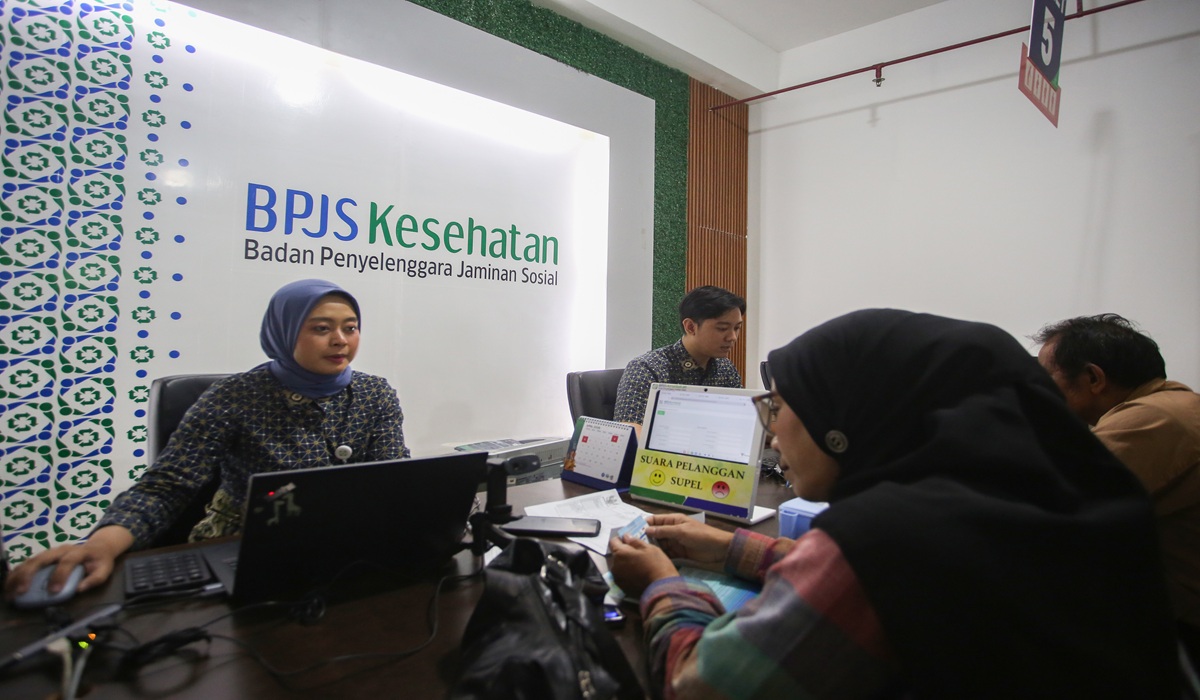
The Social Security Administering Body for Health (BPJS Kesehatan) has confirmed that the weakening of the rupiah exchange rate does not directly influence the amount of claims paid to healthcare facilities within the National Health Insurance (JKN) programme. BPJS Kesehatan Head of Public Relations Rizzky Anugerah explained that BPJS claim payments still refer to package tariffs set by the government through the Indonesian Case Base Groups (INA-CBGs) scheme. He further explained that although the rupiah’s depreciation could potentially drive up the prices of imported medicines and medical devices, this condition has not automatically impacted the claim values paid by BPJS Kesehatan. “In the implementation of the JKN Programme, healthcare financing uses a package tariff scheme (INA-CBGs) along with quality and cost control mechanisms established with the government, so the claim value is fixed based on the service package,” Rizzky told Media Indonesia on Wednesday (10/6). According to him, BPJS Kesehatan continuously monitors various factors that may affect healthcare service costs, including the development of the rupiah exchange rate against the US dollar. “BPJS Kesehatan continuously monitors various factors that could potentially affect healthcare service costs, including the dynamics of the rupiah exchange rate. It is understandable that the rupiah’s depreciation could potentially increase the prices of medicines and medical devices that still depend on imports,” he stated. Rizzky explained that the strengthening of the US dollar can indeed put pressure on the operational costs of healthcare facilities, especially for the procurement of medicines and medical devices that still use imported components. “The strengthening of the US dollar can certainly put pressure on the operational costs of healthcare facilities, particularly regarding cost components dependent on imported goods. However, in the context of the JKN Programme, BPJS Kesehatan pays claims based on tariffs set by the government,” he said. He emphasised that the mechanism for adjusting JKN healthcare service tariffs is not carried out automatically following currency movements. A tariff review by BPJS Kesehatan is conducted by the government through periodic assessments considering various factors, including national economic conditions. “Meanwhile, adjustments to service tariffs or costs in the JKN healthcare service packages are carried out periodically through a comprehensive review by the government, considering various aspects, including macroeconomic conditions,” he explained. Rizzky noted that the government last adjusted healthcare service tariffs through Minister of Health Regulation Number 3 of 2023. At that time, a number of benefit package tariffs experienced quite a significant increase.