
Rupiah Weakens Towards 18,000 Despite Government Optimism on Oil Supply and Economy
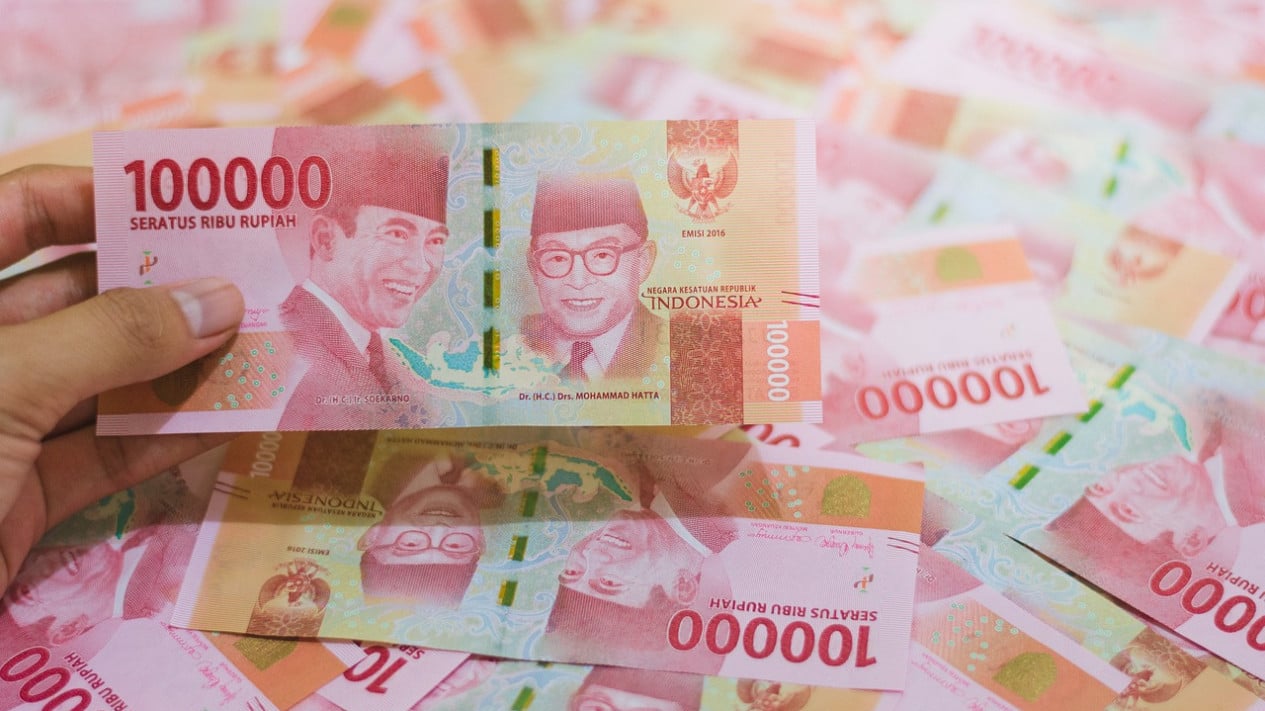
The rupiah is predicted to remain volatile but closed stronger in the previous day’s trading. According to the Jakarta Interbank Spot Dollar Rate (Jisdor) from Bank Indonesia, the rupiah stood at Rp 17,942 per US dollar on Thursday, 25 June 2026, strengthening by 13 points from Rp 17,955 on Wednesday, 24 June 2026. However, in spot market trading on Friday, 26 June 2026, as of 09:02 WIB, the rupiah was transacted at Rp 17,987 per US dollar, a weakening of 44 points or 0.25% from the previous position of Rp 17,943 per US dollar.
Economic and money market observer Ibrahim Assuaibi stated that since the onset of the geopolitical conflict in the Middle East at the end of February 2026, the government has conducted various impact analysis scenarios for the war over 5-month, 6-month, and 10-month periods, all of which were navigated successfully. Indonesia’s dependence on oil imports from the Middle East is now only at 20%, following diversification efforts targeting African nations such as Nigeria and Gabon. Energy fulfilment is also supported by purchase commitments from the United States and Venezuela through the Agreement on Reciprocal Tariff (ART) scheme.
Consequently, the government remains confident that Indonesia’s economic condition in 2026 is well maintained, especially after recording impressive economic growth of 5.61% in the first quarter. This figure surpasses the average growth of G20 countries and the global economy. Macroeconomic resilience is further reflected in the foreign exchange reserves position, which stood at US$144.9 billion at the end of May 2026. Additionally, investment realisation reached Rp 498.8 trillion in the first quarter of 2026, and the Manufacturing Purchasing Managers’ Index (PMI) remained in expansionary territory at a marginal level of 50. Despite these achievements, there are concerns regarding the trade balance performance. Although it has recorded a surplus for 72 consecutive months, the surplus trend is increasingly shrinking. In response, the government is intensifying efforts in sectors capable of generating foreign exchange, with tourism identified as a low-hanging fruit.