
Rupiah Weakens to Rp 18,139 per US Dollar: Causes and Impacts
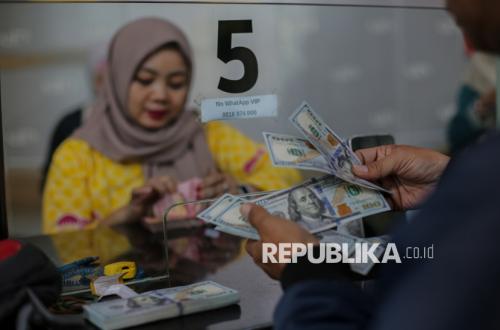
The Rupiah exchange rate weakened to Rp 1lar139 per US Dollar on Monday (8/6). Simultaneously, the Jakarta Composite Index (IHSG) plummeted by 3.98 per cent to the 5,371.89 level, a decrease of 222.88 points from the previous trading close.
Yanuar Rizky, an economist at Bright Institute, noted that the pressure on the Rupiah is inseparable from the selling actions of foreign investors in the stock market over recent days. According to him, after selling shares, foreign investors convert the proceeds from these sales into US Dollars before transferring the funds out of Indonesia.
“The net selling by foreigners in stocks settles on a T+2 basis today, meaning the foreign funds from these sales are immediately transferred out in the form of US Dollars,” Yanuar stated in a brief message to journalists on Monday.
He added that the increased demand for US Dollars has contributed to the pressure on the Rupiah exchange rate. Consequently, Bank Indonesia needs to maintain market stability to prevent further sharp depreciation of the currency.
Yanuar assessed that the intervention measures taken by Bank Indonesia last Friday helped mitigate the pressure on the Rupiah. He suggested that without such actions, the Rupiah could have weakened even more deeply at the start of this week’s trading.
“That is why BI intervened twice on Friday, including during the New York market close. If there had been no marking of the New York close at 18,200, the rate would have reached 18,500 this morning,” said Yanuar.
He further noted that market participants’ attention is now shifting from exchange rate and stock market movements to the state of the business environment. Investors are increasingly scrutinising corporate earnings prospects and the future direction of economic policy.
“The issue has shifted to the business climate. Bottom-line revenues are declining due to China pausing imports and a lack of confidence in business policies, as noted by hedge funds,” he concluded.