
Rupiah Weakens to Rp 17,864 After BI Predicts Inflation Rise Due to Non-Subsidised Fuel Hike
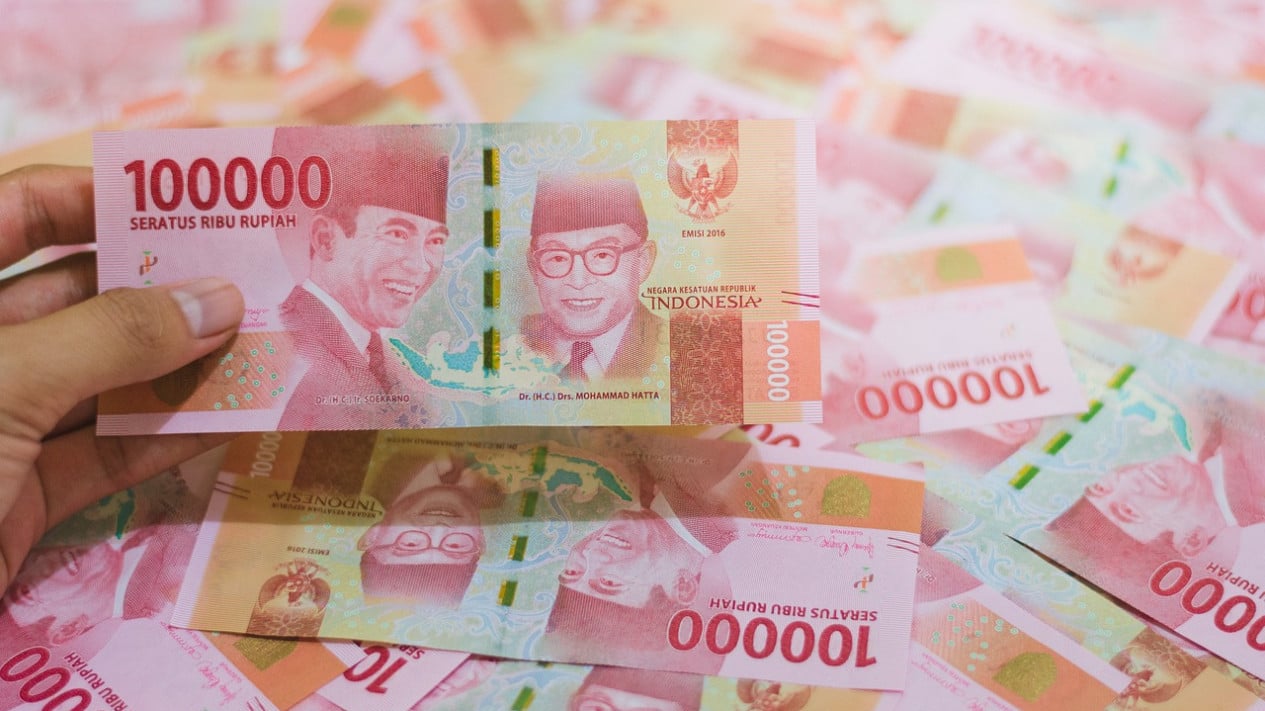
The Indonesian rupiah exchange rate against the US dollar is predicted to remain volatile but closed weaker in today’s trading. Based on Jakarta Interbank Spot Dollar Rate (Jisdor) data from Bank Indonesia, the rupiah stood at Rp 17,819 per US dollar on Monday, 22 June 2026, strengthening by 7 points from the previous rate of Rp 17,826 on Friday, 19 June 2026. However, in the spot market on Tuesday, 23 June 2026, as of 09.05 WIB, the rupiah was transacted at Rp 17,864 per US dollar, weakening by 21 points or 0.12 percent from the previous position of Rp 17,843 per US dollar. Economic and currency market observer Ibrahim Assuaibi stated that Bank Indonesia projects the increase in Pertamax and Pertamax Turbo prices will contribute to a rise in national inflation. He noted that several inflation risk factors are currently emerging and drawing the central bank’s attention. The main challenge stems from global spillovers, specifically the transmission of global oil and commodity prices into the domestic economy, commonly referred to as imported inflation. These global spillover factors directly impact administered prices, as reflected in the recent policy adjustment of non-subsidised fuel prices. The second risk factor under close watch is the potential for weather disruptions. The El Niño phenomenon is expected to affect Indonesia from late June through October or November 2026. Such extreme weather conditions could put pressure on volatile food prices. Nevertheless, Bank Indonesia assesses that risks from the agricultural upstream side, such as a surge in fertiliser prices, can be mitigated because domestic fertiliser production capacity is still deemed more than sufficient. Consequently, BI confirms that the inflation rate is indeed beginning to show an upward trend. However, BI assures that the inflation projection remains anchored within the target range set by the central bank and the government, namely 2.5 plus or minus 1 percent, or a maximum of 3.5 percent. As a mitigation measure, BI continues to strengthen synergy with various parties. Regarding volatile food price stability, anticipatory steps are focused through the National Movement for Food Inflation Control (GNPIP), which is intensively coordinated with regional governments across Indonesia to ensure supply availability.