
Rupiah Weakens, Sudirman Said: All Parties Must Work Shoulder to Shoulder
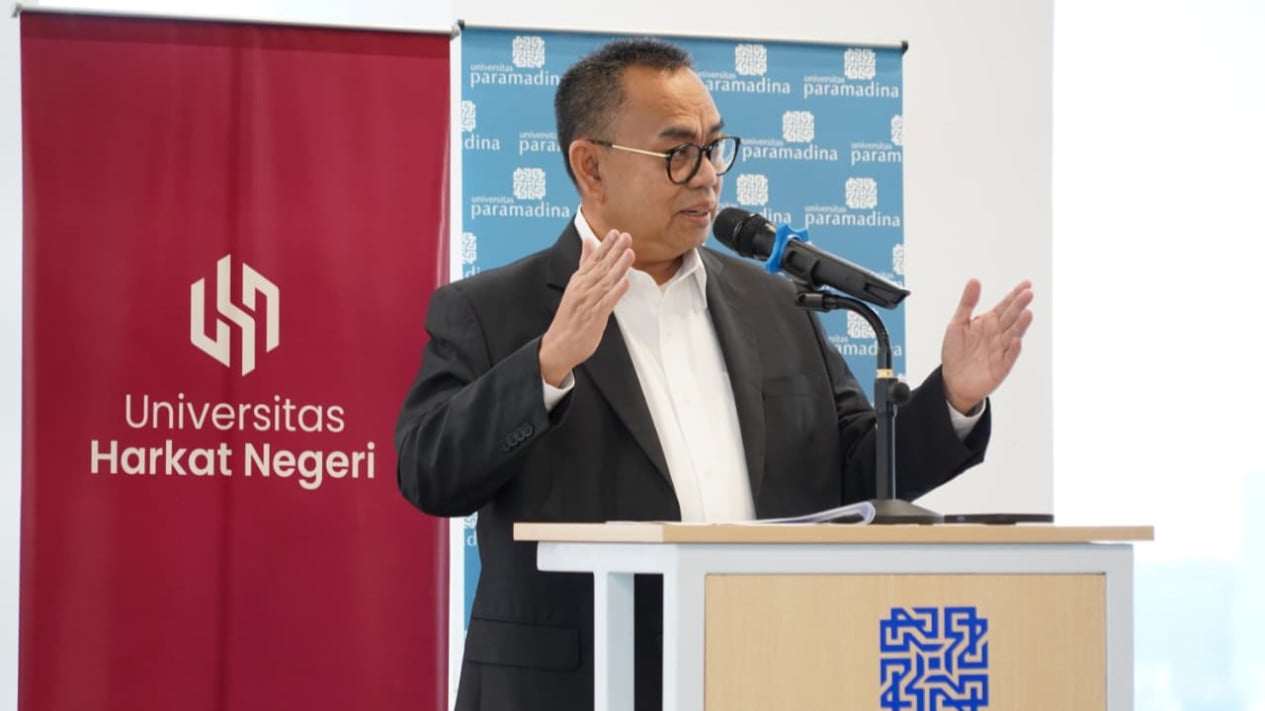
Jakarta, VIVA – The Rector of Harkat Negeri University, Sudirman Said, highlighted concerns about the function of the rule of law being allegedly diminished to preserve power. He expressed this during a public discussion at Paramadina University on Friday, 22 May 2026.
“The rule of law and the people’s sovereignty, which were originally designed by the founders of the nation as vital instruments for distributing prosperity, are now being eroded and reduced to an electoral instrument. Merely to seize, accumulate, and preserve power,” Sudirman said, quoted on Saturday, 23 May 2026.
According to him, the accumulated damage to governance over the past decade has shifted institutional leadership to a personalisation of power. He added that the rules of the game have been changed.
Sudirman emphasised that the sole way out of this governance crisis is to restore public trust collectively. He also reminded that all parties should cooperate and shoulder to shoulder to strengthen the rupiah in Indonesia.
“All parties must work hard, shoulder to shoulder, to restore confidence; to rebuild trust. The most responsible are those entrusted with authority. The condition is one: open wide your ears, eyes, and conscience,” Sudirman said.
“This step must be based on intellectualism, spirituality, and morality, so that we know boundaries and understand where to move, based on evidence and values,” he concluded.
In the same occasion, BRIN Chief Researcher Prof Siti Zuhro assessed that Indonesia’s political process had lost the substance of democracy due to the absence of checks and balances. Siti added that the bloated cabinet structure at present does not match its performance.
“In failing state theory, this is the early phase of institutional dysfunction. It is not a sudden fall into a chasm, but a slow decline that is considered normal. Yet we are not doing well. If left permanent, the chasm of a failed state could become a reality,” she explained.
The collapse of the shared political-institutional functions directly affects the fragility of fiscal space. Paramadina University economist Wijayanto Samirin criticised the poverty of technocratic processes in policy formulation, now dominated by reverse planning.
“Free Nutritious Meals (MBG) and the Merah Putih Village Cooperative (KDMP) showcase today’s programme formulation character: reverse planning. It is made first, then planned,” Wijayanto said.