
Rupiah weakens on Tuesday, triggered by rising global oil prices
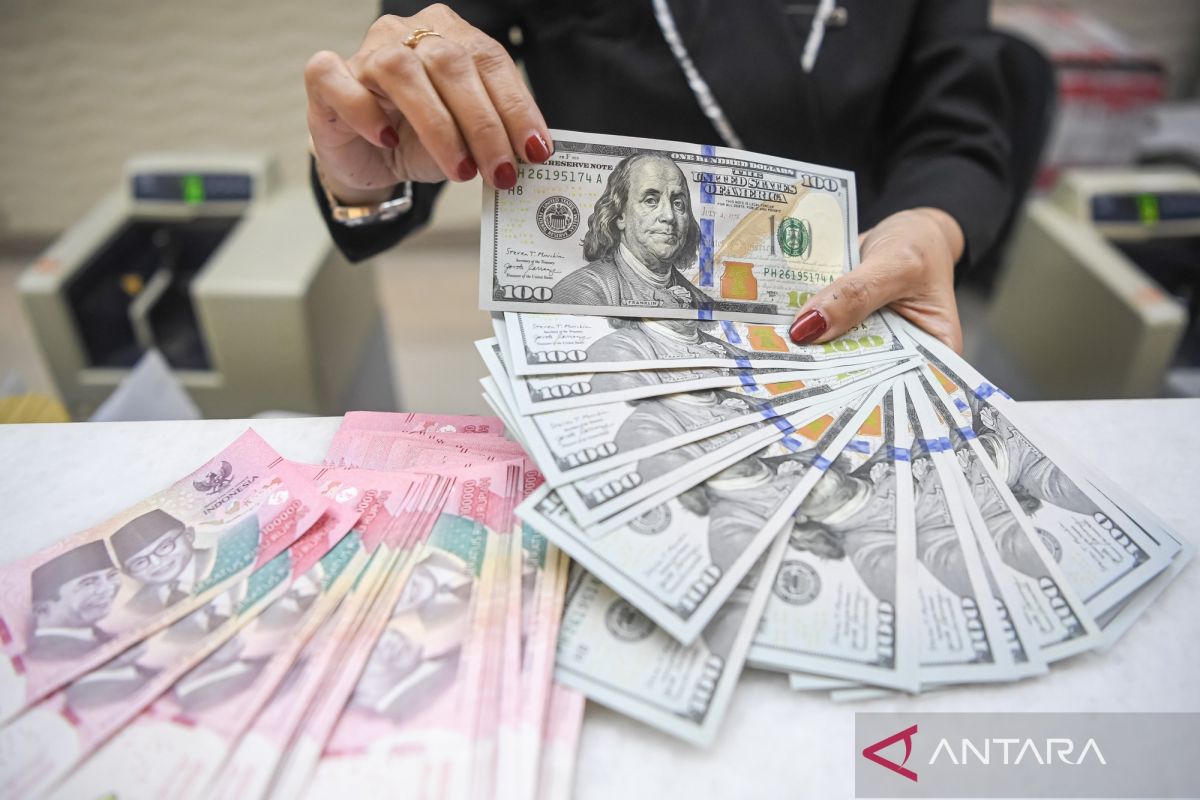
Jakarta (ANTARA) - The rupiah weakened by 32 points, or 0.18 per cent, to Rp18,029 against the US dollar on Tuesday morning, compared with its previous close of Rp17,997 per US dollar.
Bank Woori Saudara analyst Rully Nova said the rupiah’s weakness was triggered by rising global oil prices.
“In today’s trading, the rupiah is expected to weaken in the range of Rp17,980 to Rp18,140 per dollar, influenced by the renewed rise in global oil prices. The increase in oil prices is driven by the escalation of the Middle East conflict, which has spread to oil refinery production sites,” he told ANTARA in Jakarta on Tuesday.
Citing the Anadolu news agency, it was reported that Brent oil prices surged around 25 per cent through July 2026 after the latest conflict between the United States and Iran derailed a provisional peace deal and worsened energy supply disruptions, stretching from the Strait of Hormuz to the Red Sea.
On one hand, the conflict has raised concerns over the smooth delivery of crude oil and its derivative products, pushing oil prices higher over recent weeks.
However, on Monday (3 July), oil prices fell more than 5 per cent after US President Donald Trump stated that peace negotiations with Iran would continue, and following his decision to cancel a planned military strike against Iran.
Brent crude, the international benchmark, fell to around USD 83.40 (approximately Rp1.5 million) per barrel by Monday at 06.05 GMT (13.05 WIB).
Meanwhile, West Texas Intermediate (WTI), the US benchmark, also fell 6 per cent to USD 79.60 (approximately Rp1.4 million) per barrel.
Heading into today, Brent prices rebounded to above USD 84 per barrel from the previous close in the range of USD 83 per barrel.
Another sentiment weighing on the rupiah is investor concern over Indonesia’s continued trade deficit.
Statistics Indonesia (BPS) reported that in June, Indonesia’s trade balance recorded a deficit of USD 450 million, with exports valued at USD 25.46 billion and imports at USD 25.91 billion.
“A trade balance surplus significantly influences rupiah strengthening, while capital inflows into the stock and bond markets are highly volatile. At present, the trade balance is in deficit because the non-oil surplus continues to shrink while the oil deficit keeps rising,” Rully said.