
Rupiah Weakens Further, Nears Rp 18,000 per Dollar
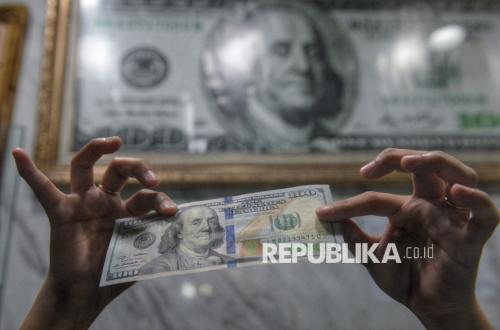
JAKARTA – The rupiah’s exchange rate against the US dollar continues to depreciate, nearing Rp 18,000 per dollar. The ongoing weakness is influenced by escalating global geopolitical tensions and domestic fiscal issues.
“Today’s rupiah depreciation has been remarkable. There is a possibility that tomorrow’s market opening on Friday will see the rupiah approach Rp 18,000 per dollar,” said currency and commodity analyst Ibrahim Assuaibi in a voice statement to reporters on Thursday, 28 May 2026.
Ibrahim explained various sentiments affecting the rupiah’s depreciation, both external and internal. Externally, geopolitical issues are the main factor.
“The geopolitical situation in the Middle East is escalating as the US launches attacks on facilities in Iran, particularly in southern Iran. This is likely to prompt a proportional retaliation from Iranian forces,” he said.
Meanwhile, according to Russian intelligence data, the US is preparing for a large-scale war with Iran. The US is reportedly using ISIS militias in Syria to attack Iran.
It is reported that advanced US ships have landed in Israel. This suggests that, during the ceasefire period, the US and Israel will strengthen their positions for a major attack on Iran.
The US-Iran agreement is merely a facade, Ibrahim warned, referencing the Iraq-US conflict decades ago. Iraq invaded Kuwait under a supposed agreement between Saddam Hussein and George W Bush, but US forces later launched a devastating attack, destroying thousands of troops and military equipment.
Drawing from this, the conflict in Iran may follow a similar pattern, though Iran may have prepared to counter US duplicity as per its intelligence.
“This will likely heighten tensions in the Strait of Hormuz, driving up oil prices,” he added.
The ongoing conflict between Ukraine and Russia in Europe also continues. Kyiv has been devastated by Russian attacks, which were launched in response to Ukrainian strikes on strategic Russian territories.
Ukraine is now seeking assistance from the US for Patriot missiles and advanced weaponry from NATO to counter Russia. This situation adds to geopolitical tensions.
“Geopolitical tensions have sharply increased in both the Middle East and Eastern Europe, pushing oil prices above $92 per barrel to $96 for WTI. This indicates that rising oil prices due to geopolitical factors, coupled with higher logistics transport costs, are causing significant price increases in the US, particularly for gasoline. Inflation is likely to keep rising, not just in the US but globally,” he explained.
Ibrahim continued, noting other external sentiments related to the US Federal Reserve’s interest rate policy. On Wednesday, Minneapolis Federal Reserve President Neel Kashkari stated that the central bank’s main concern is higher inflation rather than a deteriorating labour market. During Kevin Warsh’s tenure as Fed governor, the focus was on inflation, unlike his predecessor Jerome Powell, who prioritised labour market data.
“There are indications that 52.3% of economists believe the central bank will likely maintain interest rates until the end of this year, or possibly raise them once. This has caused the dollar to gap up,” he said.
On the domestic political front, Ibrahim added that the US midterm elections are underway. Republican strongholds are reportedly facing issues due to Trump’s continued push for war, with some areas potentially shifting to the Democratic Party. This adds to political tensions in the US.