
Rupiah Weakens, Chery Indonesia Still Maintaining Vehicle Prices
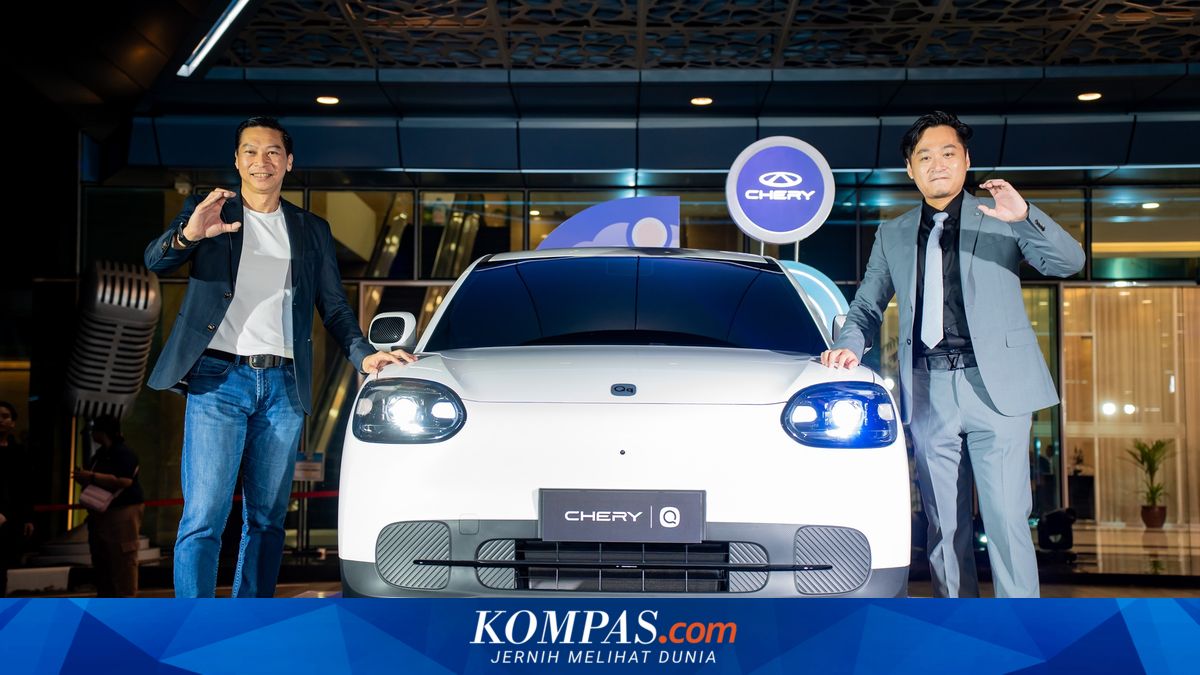
Jakarta — Rupiah weakness against the US dollar has become a focal point for Indonesia’s automotive industry, including Chery Group Indonesia. Amid challenging market conditions, automotive manufacturers are facing mounting pressure from production costs and imports. However, Chery Group Indonesia has committed to maintaining price stability for its products in the Indonesian market.
Chery Group Indonesia’s President Director Zeng Shuo stated that the company is currently implementing a wait-and-see strategy whilst continuously monitoring rupiah exchange rate developments, which have recently experienced considerable fluctuations. According to him, exchange rate conditions are indeed an important factor in the automotive industry. Nevertheless, Chery currently has no plans to increase vehicle prices in the near term.
“We continue to monitor market developments and rupiah exchange rate fluctuations. Currently, we are working hard to maintain our existing prices,” Zeng Shuo said.
This statement provides relief to the national automotive consumer base, particularly amid rising cost of living trends and declining purchasing power. In recent years, rupiah exchange rate changes have almost always resulted in price adjustments for new vehicles in Indonesia.
This situation presents a particular challenge for brands aggressively expanding the electric vehicle market in Indonesia. Manufacturers must balance maintaining business margins whilst retaining price competitiveness amid increasingly intense market competition.
Chery is among the brands that has been quite aggressive in strengthening its business in Indonesia over the past two years. The company has continuously expanded its portfolio from internal combustion engine (ICE) vehicles, hybrids, to fully electric cars, targeting various consumer segments.
Several models such as the Chery Omoda E5, J6, and the Tiggo Series have become the backbone of Chery’s growth in the domestic market. Moreover, new sub-brands such as Lepas and iCar are being prepared to strengthen electrification and lifestyle vehicle penetration in Indonesia.
“Consumers remain our top priority,” Zeng Shuo said.
This statement demonstrates that Chery is currently attempting to absorb the impact of rupiah weakness to prevent it from being passed directly to consumers. This approach is part of a strategy to maintain market confidence, especially as national automotive competition intensifies, particularly in the electric vehicle segment.
However, Zeng Shuo also did not rule out the possibility of situations changing unexpectedly. Global economic conditions and exchange rates remain highly dynamic. Should currency pressure continue long-term, automotive manufacturers may ultimately need to adjust prices to maintain business sustainability. This is particularly true given that other costs such as global logistics, raw materials, and distribution have also risen in recent weeks.