
Rupiah Weakens Again, Analysts Reveal Causes and Strengthening Strategies
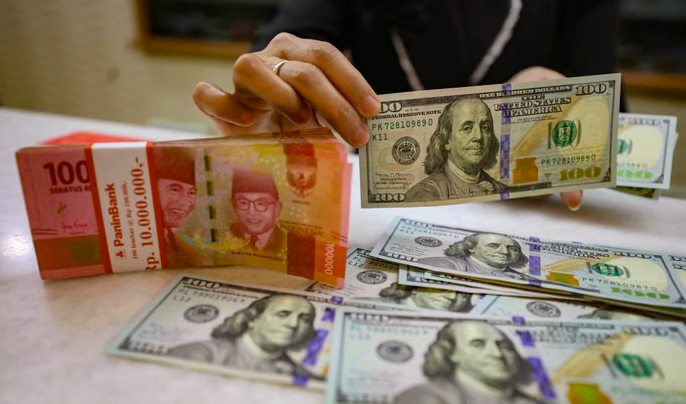
The rupiah exchange rate opened weaker on Tuesday (2/6) at Rp17,885 per US dollar, a decline of nearly 80.5 points. Currency and commodities analyst Ibrahim Assuaibi stated that one of the primary causes is the ongoing escalation in the Middle East. He noted that Iran’s conditions for peace with the United States involve peace in Lebanon, suggesting that potential Iranian involvement in an Israel-Lebanon conflict could increase tensions and significantly strengthen the US dollar index.
On the international stage, US President Donald Trump recently signed a proclamation altering import tariffs on several types of copper, aluminium, and iron. The analyst noted that legal tensions regarding trade wars and tariff increases from 10% to 15% have contributed to the rupiah’s depreciation. Domestically, rising global crude oil prices are impacting local prices. With oil imports reaching 1.5 million barrels per day—85% of which is for subsidised fuel—there is a high demand for US dollars.
While export proceeds (DHE) were expected to support the rupiah, the lack of a definitive decision on their placement has led to further weakness. The depreciation is also expected to impact lower-middle-class citizens, as the cost of imported essential goods such as soybeans, corn, and fertiliser rises, potentially leading to stagnation in labour-intensive industries and possible layoffs. This price volatility threatens to reduce public purchasing power and could drive inflation.
In response to potential high inflation, Bank Indonesia may consider raising interest rates. Analysts suggest a possible 25 basis point hike during the June meeting. To strengthen the rupiah, Ibrahim suggested that the government might need to consider new foreign loans from the IMF or the World Bank, though such loans would likely come with strict conditions regarding the removal of subsidies. Ultimately, while a resolution to Middle Eastern conflicts would aid the currency, the analyst warns that such stability may not arrive until much later, leaving external financing as a primary strategic option.