
Rupiah Weakens 0.35%, US Dollar Exchange Rate Rises to Rp17,365
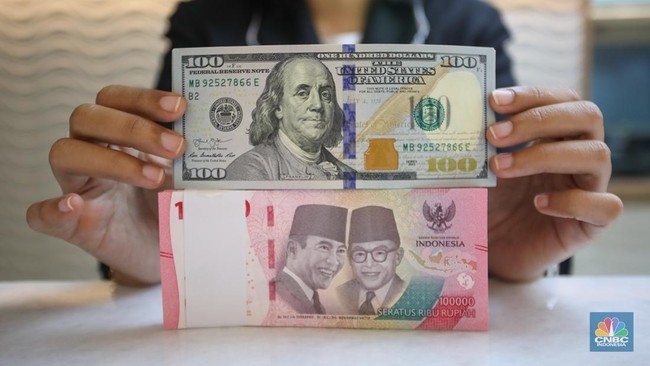
Jakarta, CNBC Indonesia - The rupiah exchange rate faced renewed pressure against the US dollar on the close of early-week trading on Monday (4/5/2026). According to Refinitiv data, the rupiah ended trading in the red with a 0.35% weakening to Rp17,365 per US dollar. This position also marks the rupiah’s weakest closing level ever. With today’s weakening, the rupiah has now declined for four consecutive trading days. Meanwhile, the US dollar index or DXY at 3:00 PM WIB was observed strengthening to 98.242. The rupiah’s movement in this first week of trading was influenced by a combination of domestic and external sentiments. Domestically, the Central Statistics Agency (BPS) reported April 2026 inflation at 0.13% on a monthly or month-to-month basis. Meanwhile, calendar-year inflation was recorded at 1.06%. Inflation pressure was mainly driven by price increases in the transportation sector. The transportation group experienced 0.99% inflation with a contribution of 0.12% to monthly inflation. In addition, the food and beverage provision/restaurant group also recorded 0.69% inflation with a contribution of 0.07%. The high inflation in the transportation sector is inseparable from the rise in airfare tariffs and the adjustment of non-subsidised fuel prices in that month. This energy price increase was also influenced by the global crude oil price trend still being pulled up due to the war in the Middle East. This inflation report will be one of the considerations for Bank Indonesia in formulating future monetary policy directions, particularly in maintaining price and rupiah exchange rate stability. Externally, the US dollar moved relatively stable after US President Donald Trump announced a new plan to open partial access in the Strait of Hormuz. Trump stated that the US would begin guiding commercial ships that have been held since the war with Iran to exit that route. However, the market’s reaction to this news remains limited. Investors are still doubting how effective the plan is in easing disruptions in that major world energy route. The US-Iran conflict remains the main market concern because it continues to disrupt energy markets and keeps inflation risks high. This situation makes global market players tend to be cautious, so pressure on emerging market currencies, including the rupiah, still has the potential to continue.