
Rupiah Weakening Puts Pressure on Ferry Operators' Operational Costs
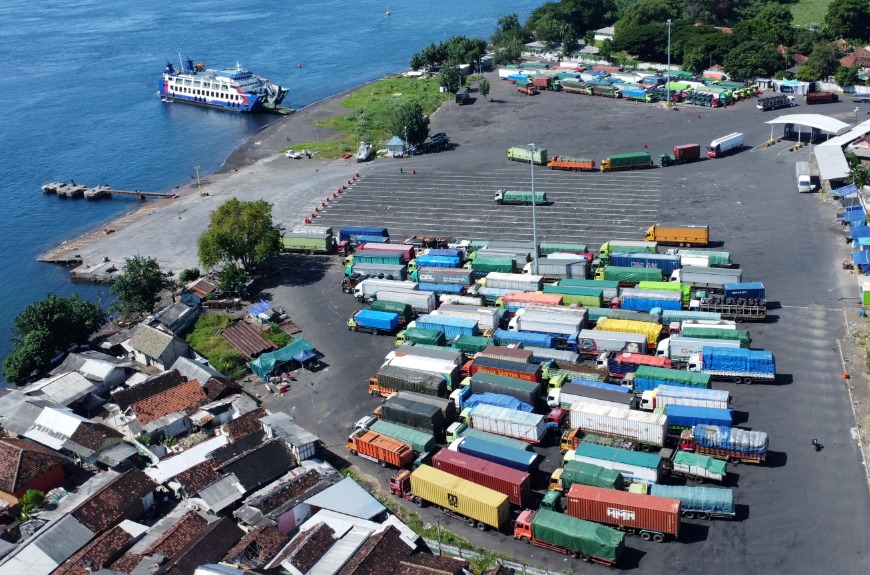
The business conditions for ferry transport companies are becoming increasingly difficult. The depreciation of the Rupiah against the US Dollar is exerting significant pressure on the operational costs of ferry transport firms. Based on Bank Indonesia’s transaction rate as of 9 June 2026, the Rupiah exchange rate was at a selling rate of approximately Rp18,136 per US Dollar. For entrepreneurs belonging to the Association of River, Lake, and Ferry Transport Entrepreneurs (Gapasdap), this situation is becoming increasingly challenging.
The General Chairman of Gapasdap, Khoiri Soetomo, assessed that this condition directly impacts various cost components that are heavily dependent on foreign currency. This occurs at a time when global oil prices also remain high, at around US$94 per barrel. “The combination of the Rupiah’s weakness and high global oil prices is causing ship operational burdens to increase further,” said Khoiri on Tuesday (9/6/2026).
Furthermore, he explained that ship operational costs continue to rise, while company revenues remain relatively unchanged because ferry tariffs have not yet been adjusted. “The impact of the Rupiah’s depreciation is most felt in ship maintenance costs. Almost all cost components have risen significantly,” he explained.
Khoiri detailed that ship spare part prices have risen by about 30%-40%, oil prices have increased by up to 60%, while docking costs have risen by approximately 20%, as reported by Iperindo, the shipyard association. This condition automatically increases the pressure on ferry transport companies. “Currently, the applicable tariffs are far behind the calculation of the Cost of Goods Sold (COGS),” he concluded.
Based on the 2019 COGS calculations, which refer to applicable laws and involve the Ministry of Transportation, YLKI, ASDP as the port facilitator, insurance providers, and ferry transport associations, current ferry tariffs are still 31.8% below the actual required costs. Given the current situation, where the Rupiah has breached the level of over Rp18,000 per US Dollar and various cost components are rising, the gap between tariffs and operational costs is widening.
“Based on Gapasdap’s calculations, the tariff deficit has now reached approximately 83% of the required costs,” he explained.
Under Law No. 17/2008 concerning Shipping, ferry transport companies are obligated to meet maritime safety and comfort standards. However, Khoiri emphasised that tariffs, as the primary source of revenue, do not yet reflect actual operational costs. He stated that this situation cannot be allowed to persist as it directly relates to maritime safety.
“Safety and comfort require adequate funding. It is difficult for companies to meet all safety standards if the current tariff structure remains far behind the increase in operational costs,” he said.
Consequently, Gapasdap hopes the government will view this issue comprehensively. Tariff adjustments are not merely for the benefit of entrepreneurs but are also related to the sustainability of national ferry services and the fulfilment of safety and comfort standards for the public. He noted that if this situation does not receive immediate attention, ferry transport companies will face increasing difficulty in operating ships sustainably. “Ultimately, the ability of companies to maintain safety, comfort, and service continuity for the community will be increasingly pressured,” he concluded.