
Rupiah Weakening and Danantara Sentiment Main Drivers Behind IHSG Slump
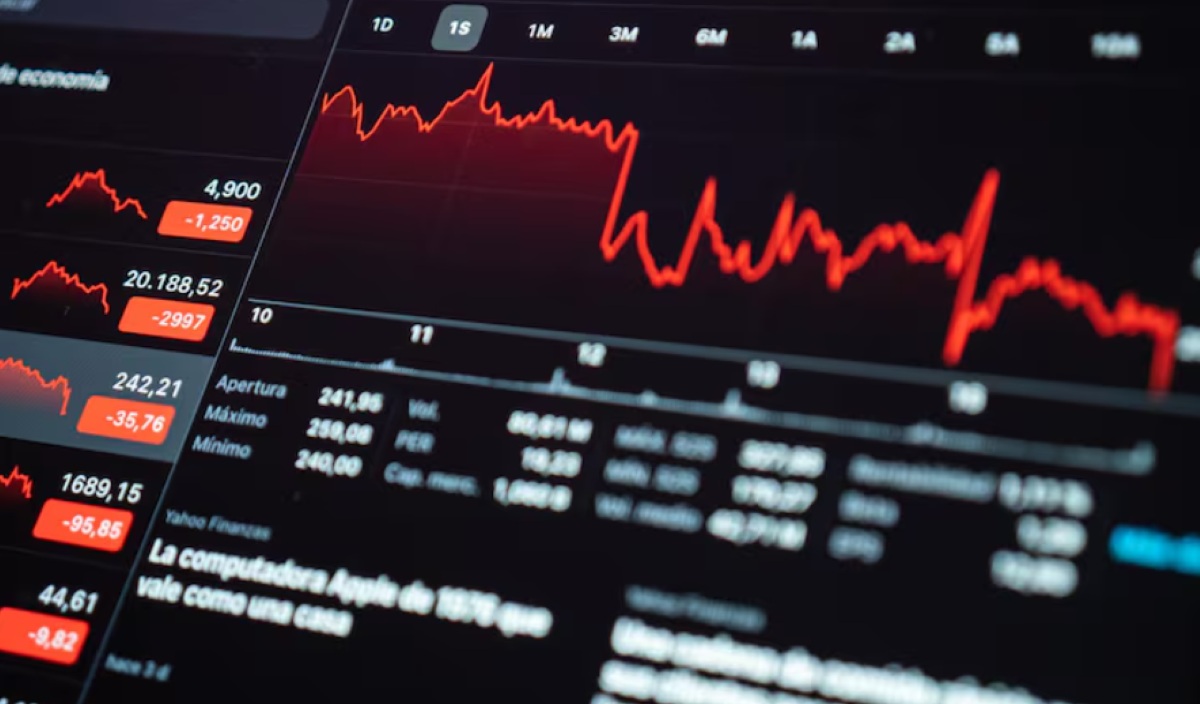
The performance of non-oil and gas commodity trade remains a primary support for the market. However, the Indonesia Composite Index (IHSG) weakened by 255.71 points, or 4.13 per cent, to the 5,939.71 level during trading at 11:10 WIB on the Indonesia Stock Exchange (IDX) on Wednesday (3/6).
Responding to this movement, MNC Securities stock analyst Herditya Wicaksana stated that the depreciation of the Rupiah against the US Dollar, negative sentiment regarding Danantara, and profit-taking in conglomerate stocks have been the primary factors weighing on market movement. He assessed that the correction in the domestic stock market is inseparable from the pressure on the Rupiah exchange rate, which continues to weaken against the US Dollar.
“We estimate that the current correction in the IHSG is caused by the weakening of the Rupiah exchange rate against the US Dollar, which has now reached the range of Rp17,950 per US Dollar,” said Herditya when contacted on Wednesday (3/6).
According to him, the weakening Rupiah has increased investor concerns regarding the stability of the domestic financial market and has prompted selling pressure on several large-cap stocks. In addition to the exchange rate, the IHSG movement is also burdened by conglomerate group stocks that recorded significant gains in the previous two days, with some even hitting the upper trading limit (auto reject atas).
This sharp increase in a short period is viewed as a trigger for profit-taking by market participants, adding further pressure to the overall index. From a technical perspective, the IHSG movement remains in a downtrend and has not yet shown valid signs of a reversal.
Another sentiment weighing on the market stems from the decision by rating agency Moody’s Ratings to assign a negative outlook to Danantara Investment Management. Although Moody’s maintained the credit rating at the Baa2 level, the negative outlook has raised investor concerns regarding external risks and market perception of the state-owned investment entity.