
Rupiah Volatility Drives Investors to Diversify Portfolios
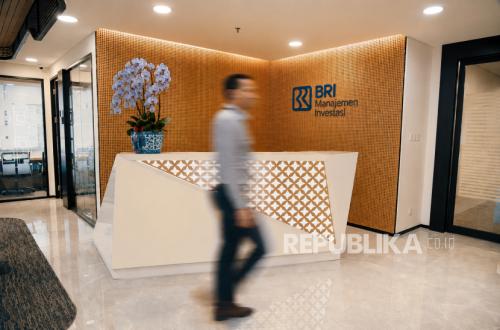
JAKARTA – Volatility in the rupiah’s exchange rate against the US dollar is prompting investors to review their portfolio composition. External pressures, ranging from global monetary policy to capital outflows from emerging markets, have brought foreign currency exposure back into focus.
Head of Corporate Secretary & Communication Division at PT BRI Manajemen Investasi (BRI-MI), Bagus Setyawan, stated that the increase in exchange rate volatility is encouraging investors to more actively evaluate their asset allocation, not only to manage risk but also to seek diversification opportunities.
“When exchange rate volatility increases, we see investors becoming more active in evaluating their asset composition. The focus is not solely on managing risk, but also on seeking diversification opportunities that can help maintain portfolio balance across various market conditions,” Bagus said on Friday (12/6/2026).
According to him, exposure to foreign currencies, particularly the US dollar, is beginning to be considered as a medium- to long-term strategy. This aligns with the financial needs of some investors who have linkages to the US dollar.
“Exposure to different currencies can serve as diversification in portfolio management. For some investors, this also relates to future financial needs that are tied to the US dollar,” he added.
One instrument that investors can utilise is a professionally managed dollar-based product. Such instruments provide access to dollar-denominated assets without requiring direct management by the investor.
BRI-MI noted that its dollar money market fund, BRI Seruni Likuid Dolar (BSLD), has recorded a return of 3.14 percent in dollar denomination since its launch on 10 July 2025 up to 8 June 2026. In rupiah terms, the return equates to 15.54 percent over the same period, supported by the strengthening of the US dollar.
Bagus explained that dollar money market instruments offer relatively high liquidity as they invest in short-term instruments. This characteristic is deemed suitable for investors who prioritise flexibility while also wanting to gradually build exposure to the dollar.
Amid exchange rate volatility, investors have various options to broaden portfolio diversification. Dollar-based instruments can serve as an alternative to complement medium- to long-term investment strategies.
“The most important thing is to ensure that every investment decision remains aligned with individual financial goals and risk profiles,” Bagus concluded.