
Rupiah Undervalued, BI Governor Reveals 7 Strategies to Strengthen It Again
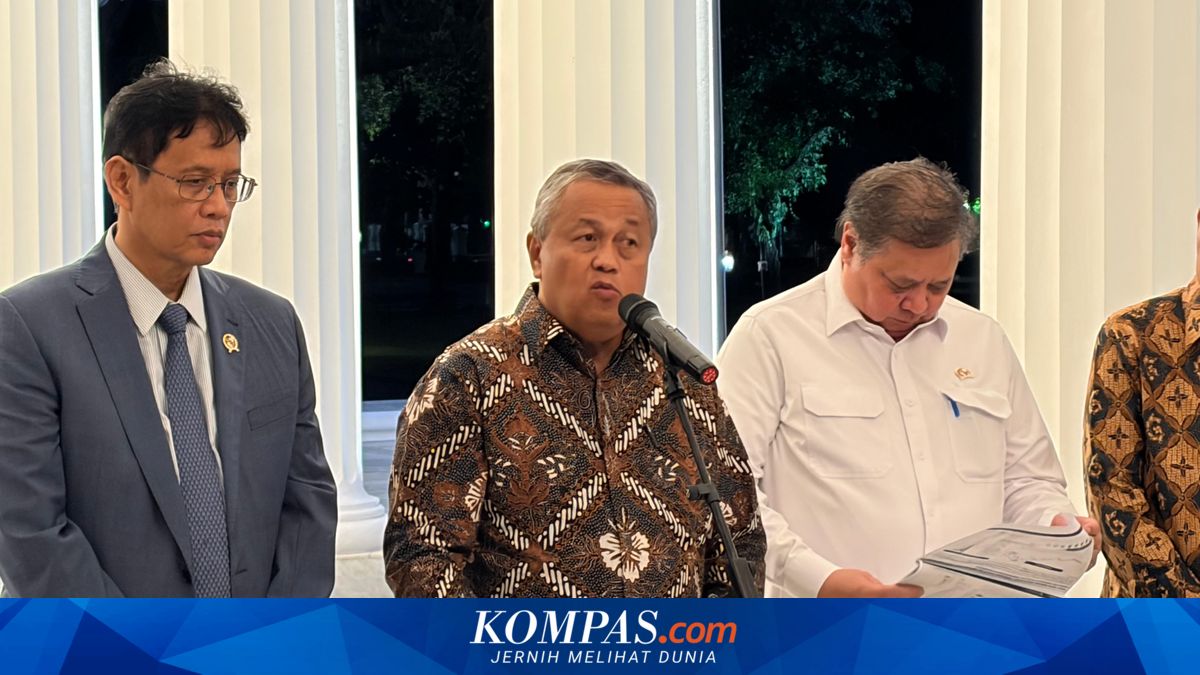
JAKARTA - Bank Indonesia Governor Perry Warjiyo expressed his optimism regarding the prospects of the rupiah exchange rate. Perry stated that the rupiah is currently in an undervalued condition. However, he believes the rupiah has the potential to strengthen in line with the strength of the national economic fundamentals. “As mentioned by the Coordinating Minister earlier, our fundamentals are strong. Growth is very high at 5.61 per cent, inflation is low, credit is also growing strongly, and foreign exchange reserves are robust. These are the fundamentals that indicate the rupiah should be stable and tend to strengthen,” Perry said after meeting President Prabowo Subianto at the Palace in Jakarta on Tuesday (5/5/2026) evening. For seasonal factors, they are influenced by foreign exchange needs for dividend repatriation, debt payments, and Hajj pilgrim requirements. “What are the global factors causing pressure on the exchange rate in the short term? First, high oil prices. Second, high US interest rates. The 10-year US Treasury yield is now 4.47 per cent. Likewise, the dollar is strengthening,” he explained. Perry also reported to Prabowo regarding seven strategic steps for strengthening the rupiah going forward. “Our foreign exchange reserves are more than sufficient to carry out stabilisation of the rupiah exchange rate,” Perry explained. The second and third steps focus on strengthening capital flows and fiscal-monetary coordination. According to Perry, Bank Indonesia is encouraging increased inflows through Bank Indonesia Rupiah Securities (SRBI) instruments to cover outflows from Government Securities (SBN) and shares, as well as continuing to purchase SBN in the secondary market. “We have already purchased SBN from the secondary market year to date amounting to Rp 123.1 trillion. We will carry out coordination, including the Finance Minister being able to handle buybacks and so on. Coordination is very close between fiscal and monetary policies,” he explained. “Previously 100,000 dollars per person per month, we reduced it to 50,000 dollars per person per month. That is what we directly coordinated with KSSK for strengthening,” said Perry. Meanwhile, the sixth and seventh steps are strengthening interventions in the offshore market, as well as increasing supervision of banking and corporate activities. In addition, supervision is tightened through coordination with the Financial Services Authority (OJK) to ensure financial system stability remains maintained. “In particular, we look at corporate banks with high dollar purchasing activities, we send supervisors there in coordination with Ms Frederika Widyasari, OJK Chair, to ensure how financial system stability is maintained,” Perry added.