
Rupiah Under Pressure from Global Dynamics, Mitigation to Prevent Inflation
High volatility is still likely to persist until the end of May.
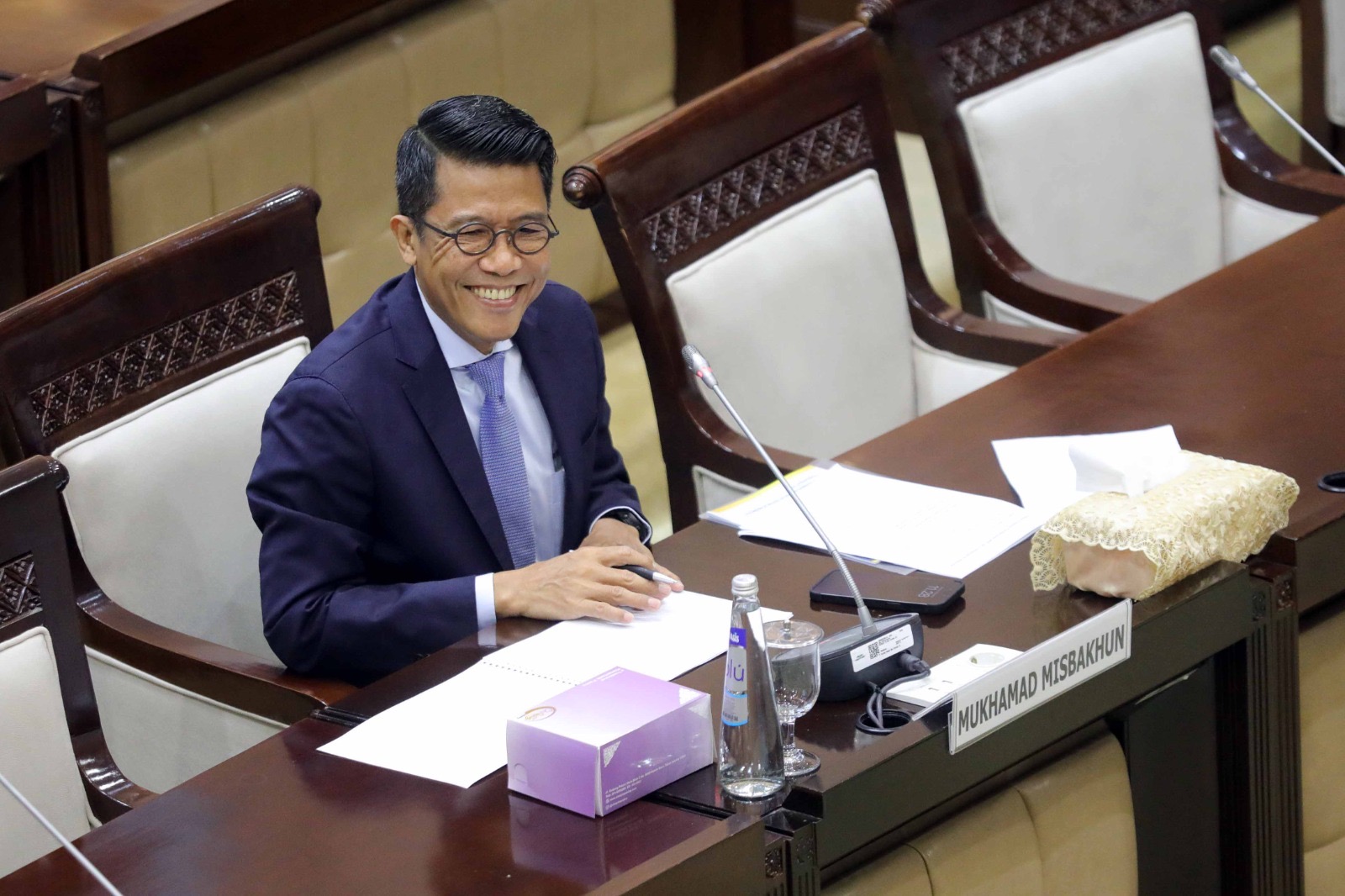
The rupiah exchange rate has weakened in recent times. House Commission XI Chairman Mukhamad Misbakhun has called on the government to bolster mitigation efforts to prevent it from turning into imported inflation that pressures public purchasing power. Imported inflation refers to a sustained general price increase due to rising costs of imported products caused by a country’s currency depreciation.
According to Misbakhun, the current pressure on the rupiah is inseparable from global dynamics, ranging from shifts in foreign capital flows to rising international market uncertainties. Nevertheless, he warned that this external pressure must not be allowed to transmit directly to the real sector and public purchasing power.
“If this rupiah weakening is not mitigated quickly, its impact could be felt directly in production costs, imported goods prices, and the cost of public necessities,” Misbakhun stressed in a written statement in Jakarta on Friday (15/5).
He encouraged Bank Indonesia to remain active in maintaining exchange rate stability through measured interventions in the spot market, Domestic Non-Deliverable Forward (DNDF), and the government securities market. In his view, stabilisation measures need to be precise to maintain market confidence without excessively burdening foreign exchange reserves.
“What is maintained is not just the exchange rate figure. More importantly, it is market confidence and certainty for business actors. Policy communication must be quick, clear, and credible,” he said.
From the fiscal side, Misbakhun highlighted the importance of optimising Export Proceeds Foreign Exchange (DHE) policies. He asked the government to ensure that exporters’ foreign exchange continues to flow into the domestic financial system to strengthen the domestic dollar supply amid global pressures.
In addition, he requested the Ministry of Finance to prepare contingency scenarios in the state budget, particularly to safeguard labour-intensive industries and food price stability. In his opinion, the government needs to create room for fiscal relaxation or certain incentives for industrial raw materials that still rely on imports.
“Do not let the rupiah weakening ultimately raise production costs and then pass them on to consumer goods prices. If that happens, purchasing power could also be pressured,” he stated.
House Commission XI, he said, is monitoring macroeconomic indicators and overseeing policy synergy within the Financial System Stability Committee (KSSK) to ensure that global volatility pressures do not disrupt national economic stability.
“The economic growth momentum that has already been built must be safeguarded together. Therefore, policy responses must not be slow and must be truly coordinated,” he concluded.