
Rupiah Under Further Pressure, Hits Rp 17,286 per US Dollar, Here's What's Behind It
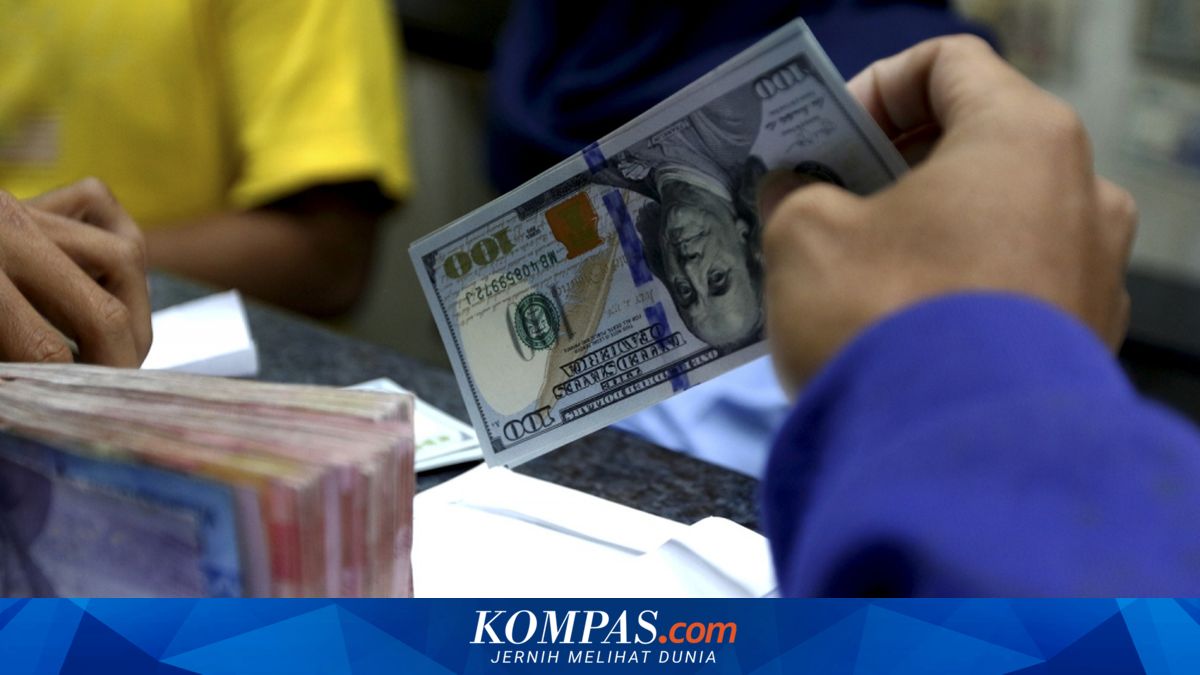
JAKARTA, KOMPAS.com - The rupiah exchange rate in the spot market weakened again at the close of trading on Thursday (23/4/2026). The Garuda currency fell 105 points or 0.61 percent to the level of Rp 17,286 per US dollar.
This weakening is estimated not to stop yet. Currency and commodity analyst Ibrahim Assuaibi projects that the rupiah will still move weakly in Friday’s trading (24/4/2026).
“Today the rupiah closed weaker at Rp 17,286, a 105-point weakening. Then in the next trading tomorrow, it’s likely that the rupiah will also be traded weaker at Rp 17,280 to Rp 17,340,” said Ibrahim on Thursday afternoon.
The situation heated up further after the United States seized an Iranian tanker in the Strait of Hormuz. This move triggered a strong reaction from Tehran.
“External data, yes, about the geopolitical issues in the Middle East which to date still lack clarity on the results of negotiations in Pakistan. Because Iran’s delegation itself did not come to Pakistan. On the other hand, Iran considers that the United States violated the ceasefire by seizing the Iranian tanker exiting the Strait of Hormuz,” he explained.
The market is also monitoring US policy. Plans to replace the central bank leadership are sparking speculation on the direction of interest rates. The emerging candidates are seen as tending to maintain or raise interest rates.
This condition is making investors hold their positions. Pressure on emerging market currencies is also increasing, including the rupiah.
Oil import needs reach around 1.5 million barrels per day. High foreign exchange demand is further pressuring the exchange rate.
Oil prices are also still high. Brent is around 103 US dollars per barrel, while WTI is around 98 US dollars per barrel. This situation has the potential to add to the budget burden, especially on energy subsidies.