
Rupiah Strengthens to Rp 18,008 as Market Monitors Trade Balance and Inflation Data
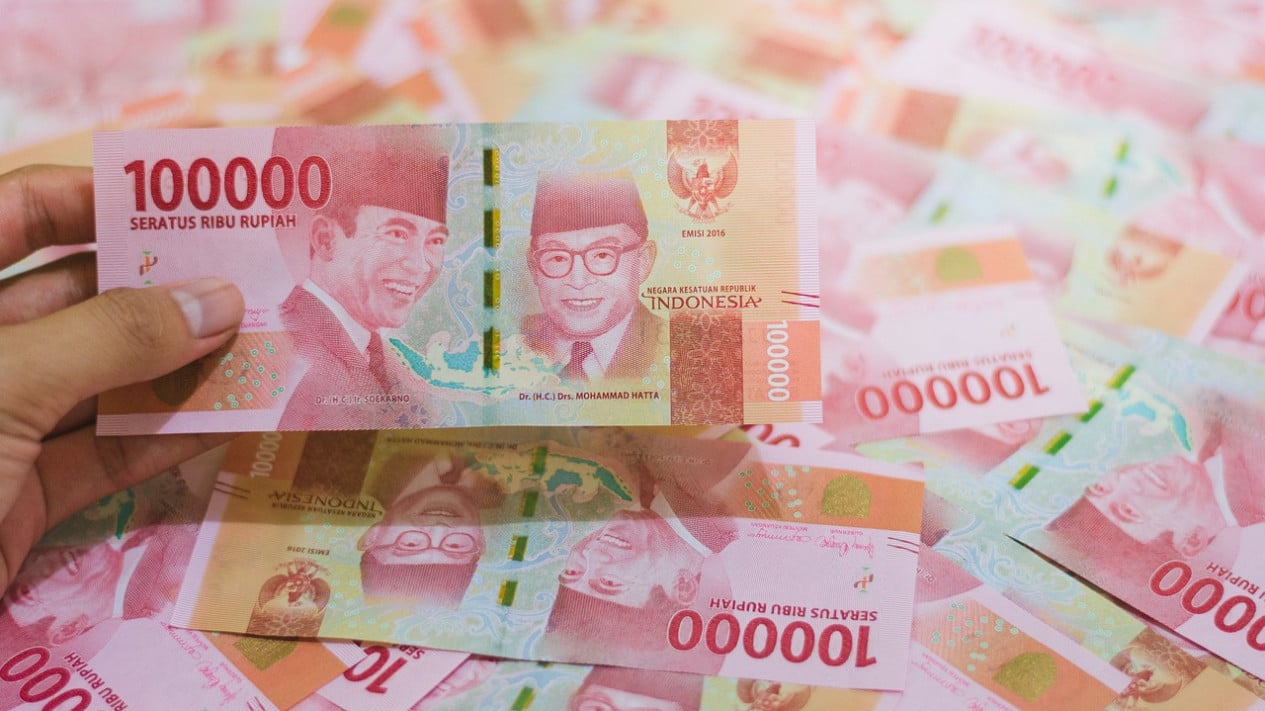
The rupiah’s exchange rate against the US dollar is predicted to continue moving in trading today.
Based on the Jakarta Interbank Spot Dollar Rate (Jisdor) data from Bank Indonesia, the rupiah against the US dollar stood at Rp 18,058 on Friday, 31 July 2026. That position represented a 20-point strengthening from the previous rate of Rp 18,078 on Thursday, 30 July 2026.
Meanwhile, in spot market trading on Monday, 3 August 2026, as of 09.01 WIB, the rupiah was transacted at Rp 18,008 per US dollar. That position strengthened by 14 points, or 0.08 per cent, from its previous level of Rp 18,022 per US dollar.
Economic and money market observer Ibrahim Assuaibi said market players would be watching a number of Indonesian economic indicators, ranging from the trade balance, inflation, the manufacturing PMI, foreign exchange reserves, to the Consumer Confidence Index (IKK), all of which are seen as potentially putting additional pressure on the rupiah.
“The market will be looking at the amount of data to be released in America, and in Indonesia especially the trade balance, which is highly likely to record a deficit in June,” Ibrahim said in his daily research note on Monday, 3 August 2026.
Beyond the trade balance, Ibrahim estimated that domestic inflation would ease due to the impact of market intervention on food prices.
As for inflation, it is highly likely to moderate as prices have fallen relatively due to market intervention, and could come in below 3.34 per cent.
In the industrial sector, Ibrahim estimated that Indonesia’s manufacturing activity has still not been able to exit the contraction zone. Indonesia’s Manufacturing PMI data is highly likely to remain in contraction below 50, although the July figure will most likely be above 46.9 despite remaining in contraction. This indicates that employment is falling drastically due to widespread layoffs.
Ibrahim also projected that Indonesia’s foreign exchange reserves would decline compared with the previous month of June. According to him, the level of foreign exchange reserves has yet to meet the standard commonly used as a benchmark for countries with investment-grade debt ratings.
Furthermore, public purchasing power is still seen as facing pressure, reflected in the declining trend of the Consumer Confidence Index (IKK). The combination of these various data points is expected to be the main sentiment driving the domestic financial market in the coming days.