
Rupiah Strengthens This Morning to Rp 16,988 per US Dollar
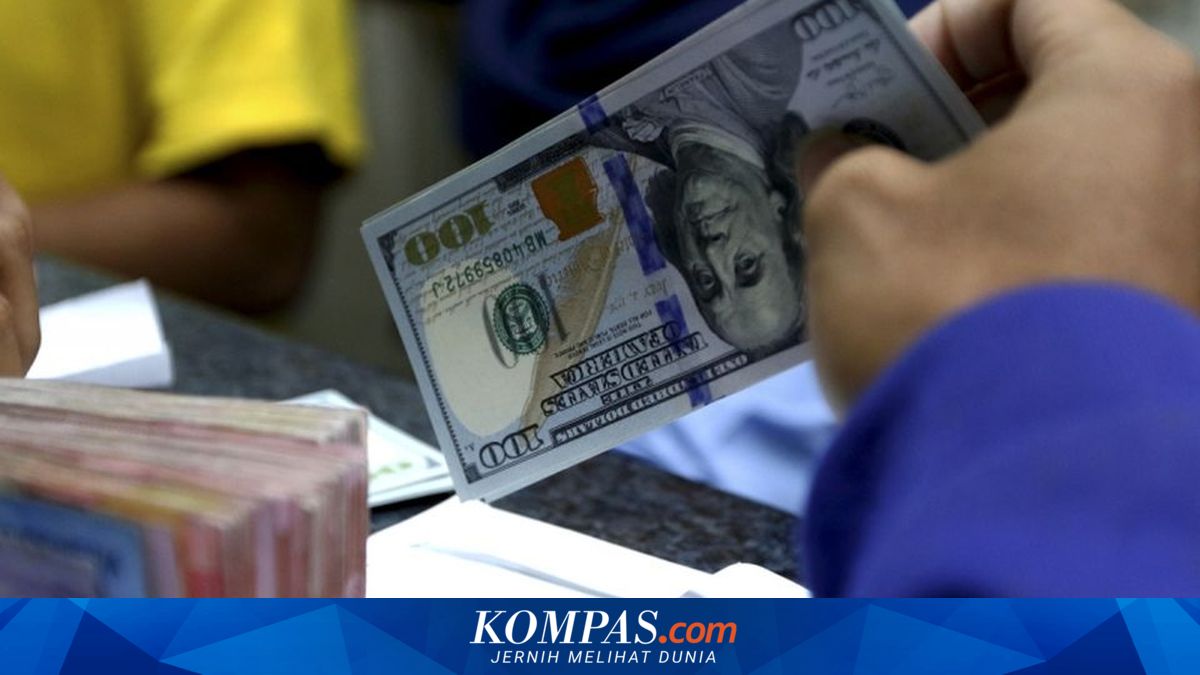
JAKARTA, KOMPAS.com - The rupiah exchange rate in the spot market strengthened at the start of trading on Wednesday (1/3/2026). The Garuda currency opened up 53 points or 0.31% to the level of Rp 16,988 per US dollar.
Previously, the rupiah in the spot market weakened at the close of trading on Tuesday (31/3/2026), with its value falling 39 points or 0.23% to Rp 17,041 per US dollar.
Currency and Commodities Analyst, Ibrahim Assuaibi, predicts that the rupiah’s movement will be fluctuating but tending to weaken within the range of Rp 17,040 to Rp 17,070 per US dollar on Wednesday.
“For tomorrow’s trading, the rupiah will be fluctuating but close weaker in the range of Rp 17,040 - Rp 17,070 (per US dollar),” said Ibrahim to reporters on Tuesday.
That condition is driving a surge in global oil prices. Brent prices were recorded to have jumped up to 59% throughout March, while West Texas Intermediate (WTI) rose 58%, marking the highest monthly increase in several years.
Highlighting threats to seaborne energy supplies from the war between Iran and the United States as well as Israel, Kuwait Petroleum Corp stated on Tuesday that their fully loaded crude oil tanker, Al Salmi, capable of carrying up to 2 million barrels, was hit by an attack allegedly carried out by Iran in Dubai port. Officials also warned of the potential for an oil spill in the area.
On the other hand, US President Donald Trump warned of possible military action against Iran’s energy infrastructure if access to the Strait of Hormuz is not reopened. Nevertheless, the White House stated that diplomatic channels are still ongoing and show positive developments.
From domestically, Ibrahim assessed that pressure on the rupiah is also influenced by domestic economic dynamics. Indonesia’s economic growth in Q1-2026 is projected to be in the range of 5.1-5.2%, driven by household consumption and government spending.