
Rupiah Strengthens as Foreign Exchange Export Rules Take Effect
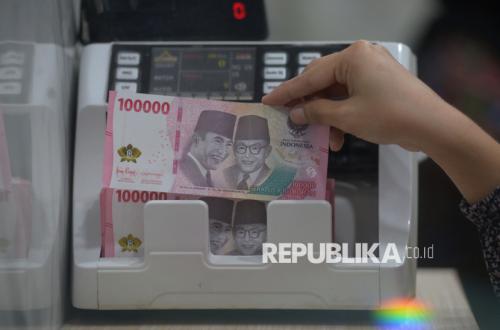
JAKARTA — The rupiah strengthened on Monday (1 June 2026), coinciding with the first day of the new regulation requiring natural resource exporters to repatriate foreign exchange earnings domestically. However, market participants remain uncertain about the long-term impact of the policy on exchange rate stability.
According to market data on Monday afternoon, the rupiah closed up 76 points at Rp17,805 per US dollar from its previous level of Rp17,880. The strengthening followed the government’s implementation of a new rule mandating natural resource exporters to hold export proceeds domestically.
Foreign exchange analyst Ibrahim Assuaibi noted the DHE policy contributed to the rupiah’s early-week gains, stating that the requirement to deposit export funds in domestic banks has increased foreign currency supply in the local market.
‘The rupiah’s strengthening today is due to the new DHE rule requiring funds to be parked at Himbara banks. It’s quite positive,’ Ibrahim said in a brief message.
However, he cautioned that the gains may not last. According to Ibrahim, investors are currently more focused on global geopolitical developments, particularly US-Iran relations, which could influence the US dollar’s movement.
He assessed that external sentiment remains the dominant factor determining the rupiah’s direction, meaning the DHE policy may not fully counter external pressures.
‘This is only temporary,’ he added.
The government officially implemented Government Regulation No. 21 of 2026 on 1 June 2026, requiring natural resource exporters to repatriate 100% of foreign exchange earnings. For non-oil and gas sectors, funds must be held in special domestic accounts for at least 12 months.
The government hopes the policy will bolster foreign exchange reserves, maintain currency liquidity, and support rupiah stability. However, the market is still waiting to see the implementation’s effectiveness, including exporter compliance and its impact on domestic foreign currency supply.
Ibrahim expects the rupiah to remain volatile in the coming days, with potential weakening on Tuesday (2 June 2026) if global sentiment dominates the market.