
Rupiah Reverses Course After Brief Rally, Falling to Rp18,114 per US Dollar
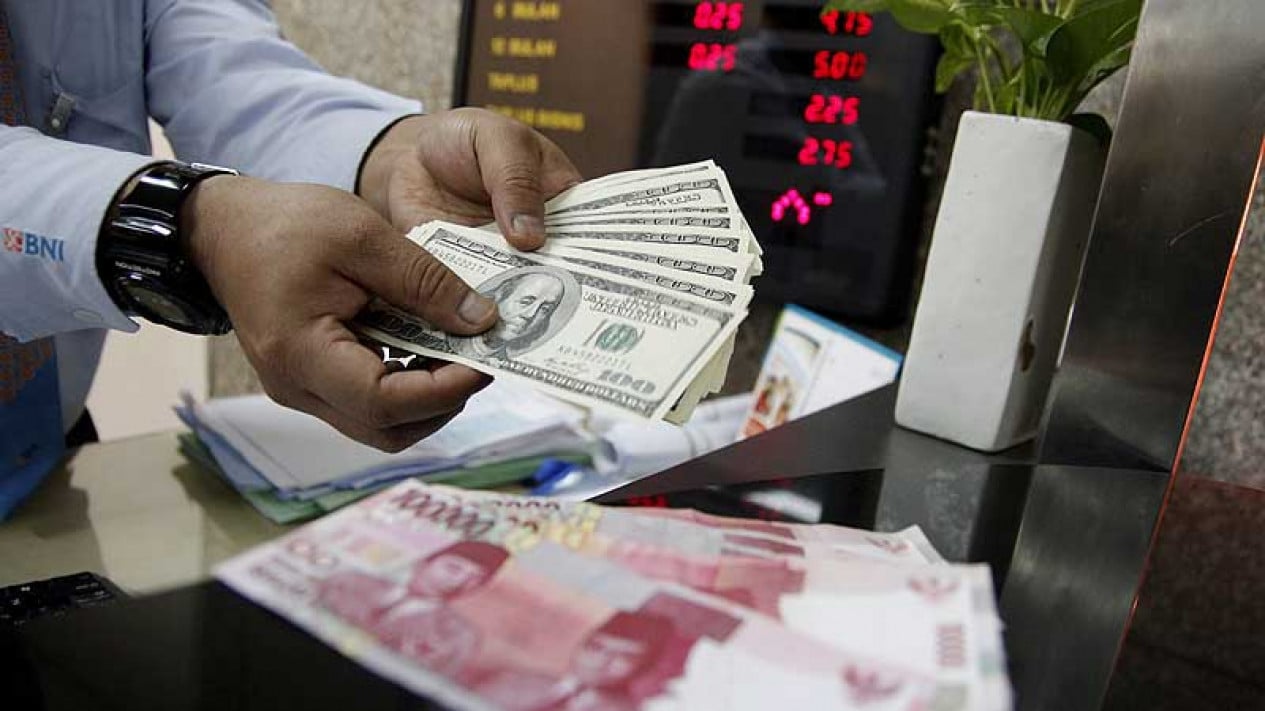
The rupiah came under renewed pressure in trading on Wednesday (11 November 2026). After strengthening at the previous session’s close, the Indonesian currency opened weaker against the US dollar as markets continued to assess global sentiment and domestic economic conditions.
According to trading data, the rupiah fell 52 points, or 0.29%, to Rp18,114 per US dollar at Wednesday’s opening. This was weaker than Tuesday’s closing rate of Rp18,062 per dollar.
The decline followed gains in the previous session. On Tuesday, the rupiah closed 23 points, or 0.13%, stronger than Monday’s closing level of Rp18,085 per US dollar.
One factor that had previously supported the rupiah was geopolitical developments in the Middle East. Currency analyst and PT Traze Andalan Futures director Ibrahim Assuabi said reports that the United States had postponed a military strike on Iran had eased market concerns.
“Trump said he planned to postpone a new military strike against Iran for the time being, following appeals from several countries in the region, including Qatar’s prime minister, during talks at the White House. The statement eased concerns about prolonged supply disruptions in the Middle East,” he said in a written statement in Jakarta on Tuesday (10 November 2026).
However, geopolitical tensions have not fully subsided. US President Donald Trump said the US naval blockade in the Strait of Hormuz would remain in place. Markets are monitoring the situation because the strait is a vital route for global energy trade.
Markets are also watching plans for talks between Russian and Ukrainian officials, mediated by the United States. The meeting is attracting attention because it could affect the course of the conflict, which has continued for several years.
On the economic front, investors are focused on US inflation data for October 2026. Annual inflation was previously forecast to rise from 3.7% to 3.9%, while core inflation was projected to increase from 2.6% to 2.8%.
Higher inflation could affect market expectations for the US Federal Reserve’s interest-rate policy. If price pressures remain high, the scope for monetary easing may become more limited. This could sustain the US dollar’s appeal and put pressure on emerging-market currencies, including the rupiah.
Source: jawawa.id (https://jawawa.id/newsitem/rupiah-reverses-course-after-brief-rally-falling-to-rp18-114-per-us-dollar-1794369098)
Originally published by VIVA.co.id (https://www.viva.co.id/bisnis/1942702-sempat-menguat-rupiah-mendadak-berbalik-arah-ke-rp18114-per-dolar-as), translated from Indonesian