
Rupiah Plunges: Should Savings Be Moved to US Dollars or Gold?
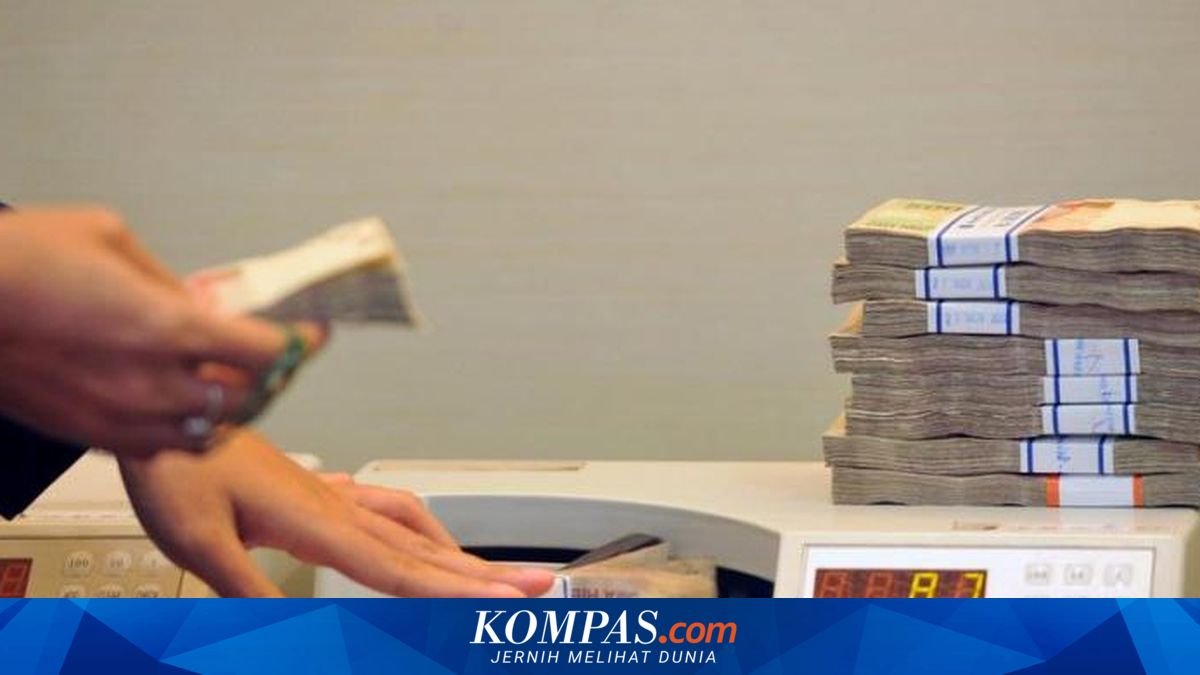
JAKARTA, KOMPAS.com - The weakening of the Rupiah has often triggered panic among the public, leading them to immediately transfer their savings to US dollars or purchase safer investment instruments. However, when exchange rates are volatile, financial decisions should still be carefully considered based on individual needs and risk profiles to avoid making mistakes. Nevertheless, the Rupiah is predicted to continue weakening in the future. During May 2026, the Rupiah several times reached its lowest point, from Rp 17,400 to Rp 17,500, and on Friday morning (May 15, 2026), it briefly exceeded the level of Rp 17,600 per US dollar. Amid this pressure, Bank Permata’s Chief Economist, Josua Pardede, reminded the public not to panic when managing their savings because public funds in national banks are still safe. Data from the Financial Services Authority (OJK) shows that banks still have adequate liquidity, with third-party funds (DPK) in March 2026 growing by 13.55 percent to Rp 10,231 trillion, credit growing by 9.4 percent to Rp 8,659 trillion, and the ratio of liquid assets to DPK at 27.85 percent, well above the 10 percent threshold. The LPS also noted that the coverage of guaranteed accounts remains above 90 percent for both commercial banks and Rural Banks/Rural Financing Banks (BPR/BPRS). “So, keeping funds in banks is still safe as long as people choose banks supervised by the OJK and ensure that their deposits meet the LPS guarantee requirements, including not pursuing excessively high interest rates outside the guarantee provisions,” he told Kompas.com on Friday (May 15, 2026). A similar view was expressed by BCA’s Chief Economist, David Sumual, who urged the public not to panic in the face of exchange rate volatility. According to him, public funds remain safe as long as deposit interest rates are below the LPS guarantee interest rate. “It’s very safe. Pay attention to the guarantee interest rate limit announced by the LPS. As long as it is below the guarantee interest rate, if there is a problem with the bank, the funds are guaranteed by the government,” he told Kompas.com on Friday. Financial planner from Finansialku.com, Melvin Mumpuni, also believes that the public does not need to worry about keeping funds in national banks. According to him, the current condition of the Indonesian banking sector is much stronger compared to previous crisis periods. This is reflected in the capital adequacy ratio (CAR) of several major banks, which remains well above the minimum limit. In addition, customer deposits are also guaranteed by the state through the Indonesian Deposit Insurance Corporation (LPS), provided that certain conditions are met, including a maximum deposit of Rp 2 billion per customer per bank and deposit interest rates do not exceed the guarantee interest rate. “The public does not need to panic. Keeping funds in Indonesian banks is still very safe,” Melvin emphasized to Kompas.com on Friday. Financial planner from Mitra Rencana Edukasi (MRE), Andy Nugroho, also believes that keeping funds in banks is still a safe option, especially for people with conservative or moderate risk profiles and who do not have urgent needs in the near future. “If there are no urgent needs and the person’s risk profile is also moderate or conservative, then it is okay to keep the funds in the bank,” Andy told Kompas.com on Friday.