
Rupiah Plunges Past 18,000 per US Dollar: Seven Key Triggers
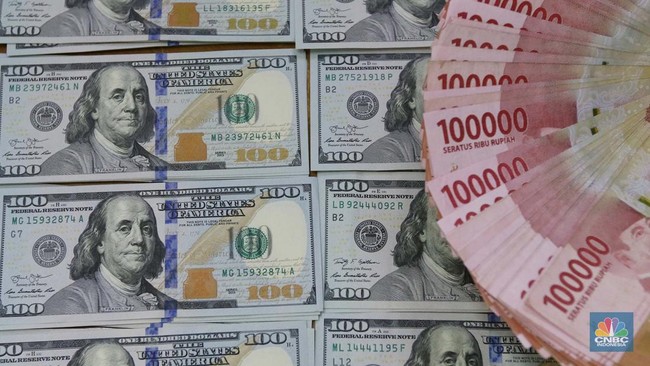
The Indonesian rupiah continued to face severe pressure against the US dollar, breaching the psychological level of Rp18,000/US$ for the first time during morning trade on Thursday (4/6/2026). According to Refinitiv data, the rupiah in the spot market touched Rp18,015/US$ at 09:11 WIB, marking a depreciation of 0.42%. This decline has been rapid, occurring just 59 calendar days after the currency first closed above the Rp17,000/US$ level on 6 April 2026.
The persistent weakness of the Garuda currency is driven by multiple external and internal factors. Globally, the US dollar is being bolstered by increased demand for safe-haven assets amid escalating geopolitical tensions in the Middle East, specifically following a new conflict involving Iran and Kuwait that has raised oil prices and dampened global risk appetite. This dynamic creates additional strain for oil-importing nations like Indonesia, heightening concerns over inflation and the current account deficit.
Domestically, the market is grappling with significant capital outflows. A major rebalancing of the MSCI indices in May 2026 resulted in 19 Indonesian stocks being removed from the MSCI Global Standard and Small Cap Indexes, forcing global funds tracking these indices to sell off assets and triggering a surge in demand for US dollars. Market sentiment is also fragile over credit rating concerns. Despite the government’s denial of speculation that S&P Global Ratings might downgrade Indonesia’s sovereign rating, caution persists as other agencies like Fitch and Moody’s have already revised the country’s outlook to negative, citing policy credibility and uncertainty.
Investors are also closely monitoring the government’s fiscal position. The 2025 state budget deficit reached 2.92% of gross domestic product (GDP), narrowly below the legal maximum of 3%, while the deficit for early 2026 continues to draw scrutiny regarding fiscal sustainability. Additional regulatory shifts, such as the government’s transition towards a single-door export policy for commodities, are being observed by market participants for their potential impact on trade and capital flows.