
Rupiah Plummets to New Low, What are the Causes?
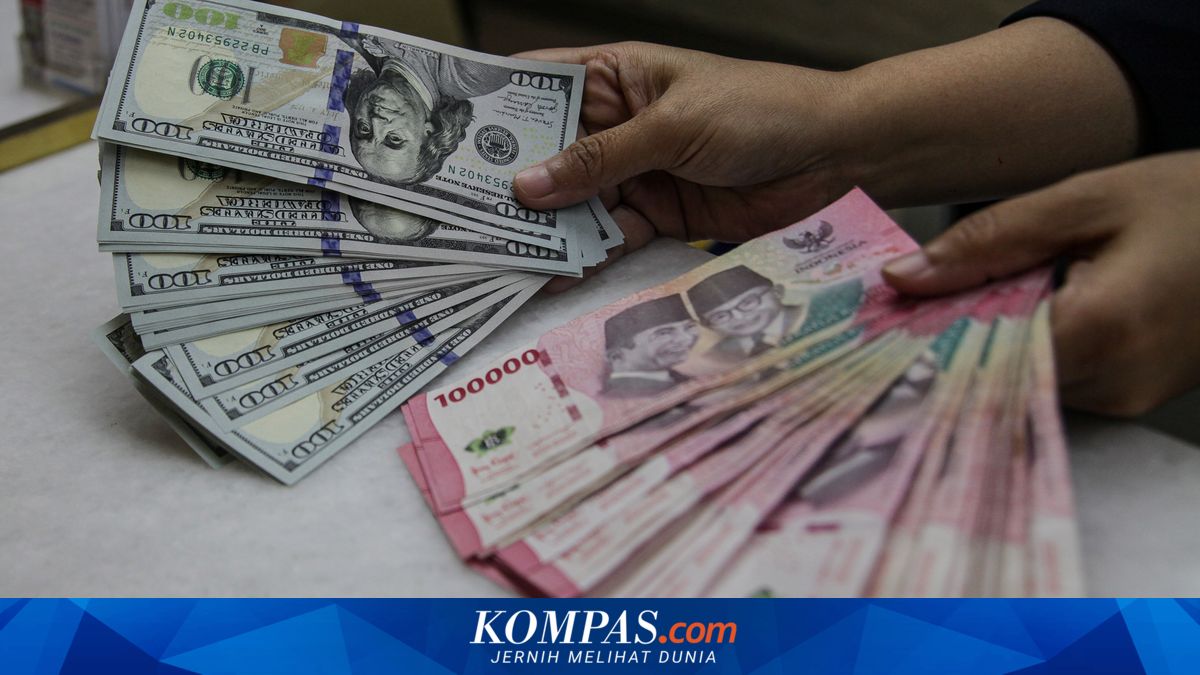
The rupiah exchange rate continues to deteriorate against the US dollar, with the national currency maintaining a weakening trend and moving further away from its psychological levels. According to Reuters data on Monday (18/05/2026), the rupiah stood at Rp 17,645 per US dollar, weakening by 1.17 per cent compared to the previous trading session. This position represents the rupiah’s weakest intraday level in the spot market, marking a new all-time low.
Since October 2024, the rupiah has depreciated by approximately 12 per cent, moving from the range of Rp 15,400 per US dollar to its current level of Rp 17,600 per US dollar. Bloomberg data shows the rupiah in the spot market depreciated by 77 points to Rp 17,674 per US dollar at 12:17 WIB during Monday afternoon trading.
Currency and commodity analyst Ibrahim Assuaibi suggests that statements made by President Prabowo Subianto regarding the rupiah’s weakness against the US dollar have contributed to negative sentiment in the financial markets. “President Prabowo’s statements, which appeared to downplay the dollar’s strengthening against the rupiah by likening it to villagers who are unaffected because they do not use dollars, have unfortunately had a fatal impact on the weakening of the rupiah,” Ibrahim told reporters on Monday.
The current depreciation is also being driven by external factors, notably the strengthening of the US dollar alongside rising global crude oil prices. Global oil prices rose during early Asian trading on Monday after US President Donald Trump warned Iran to move towards a peace agreement. These statements triggered market fears that conflicts between the US and Iran could escalate, potentially disrupting global energy supplies. According to CNBC, Brent crude oil for July contracts rose by 1.98 per cent to $111.42 per barrel.
Furthermore, the dividend season and the shift of public funds from rupiah savings into foreign currencies are also cited as pressures on the exchange rate. “We know that when the dollar strengthens and crude oil prices rise, it impacts our massive oil imports of 1.5 million barrels per day. Combined with the dividend season and the public moving their savings from rupiah to foreign exchange, this is causing the rupiah to continue its decline,” Ibrahim added.