
Rupiah Plummets, ASITA Bali Urges Tour Packages to Be Sold in US Dollars
The strengthening US dollar against the rupiah is seen as beneficial for the tourism industry, with more foreign tourists expected to visit Indonesia, including Bali. However, this situation also brings new challenges, particularly regarding shifting market dynamics and imported goods requirements.
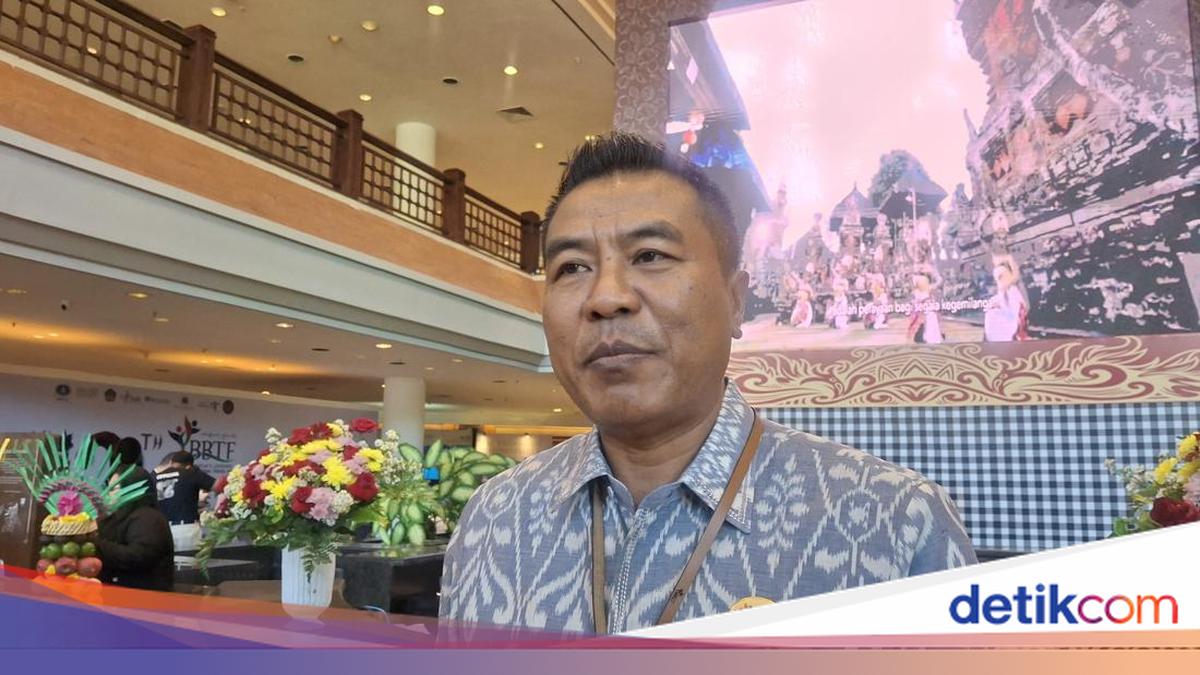
I Putu Winastra, Chairman of the Bali Regional Branch of the Association of Indonesian Tours and Travel Agencies (ASITA), stated that the US dollar’s strength is a boon for businesses selling tour packages in foreign currencies. He urged tourism operators to price packages in US dollars.
“From an industry perspective, the rise of the US dollar against the rupiah is advantageous for us, especially those selling tour packages in foreign currencies in certain countries,” he said at the Bali and Beyond Travel Fair (BBTF) 2026 at the Bali International Convention Centre (BICC), The Westin Resort Nusa Dua, Bali on Friday (29 May 2026).
However, this is different when tour packages are sold in rupiah. Therefore, he urged tourism businesses to sell packages in US dollars.
Nevertheless, he acknowledged that businesses must remain cautious due to regulations on foreign currency usage in Indonesia.
Meanwhile, Ni Made Ayu Marthini, Deputy for Marketing at the Ministry of Tourism, highlighted other challenges from the rupiah’s weakness, particularly rising costs of imported goods such as food and hotel supplies.
However, she noted this could be an opportunity to prioritise local products.
“Foreign tourists actually appreciate local products. Therefore, we as producers—restaurants, hotels—should showcase local offerings,” she explained.
In addition to the rupiah’s weakness, conflicts in the Middle East affecting international flights are also influencing Indonesia’s tourism market strategy. Industry players are shifting focus from European and American markets to more accessible regions like Asia and Australia.
However, this market shift brings its own challenges, such as differing tourist behaviours—Europeans and Americans typically stay longer than Asian visitors.
“European and American tourists tend to stay longer during summer—up to three weeks. Asian visitors, however, have shorter stays. This requires a combination, so businesses must be creative and dynamic in facing such circumstances,” she explained.
Despite global challenges, Marthini remains optimistic that Indonesia’s tourism industry can endure, as it did during the Covid-19 pandemic.
“We managed to overcome three years of Covid, so we’re confident we can do it again,” she said.