
Rupiah Opens Under Pressure This Morning, US Dollar Rises to Rp17,875
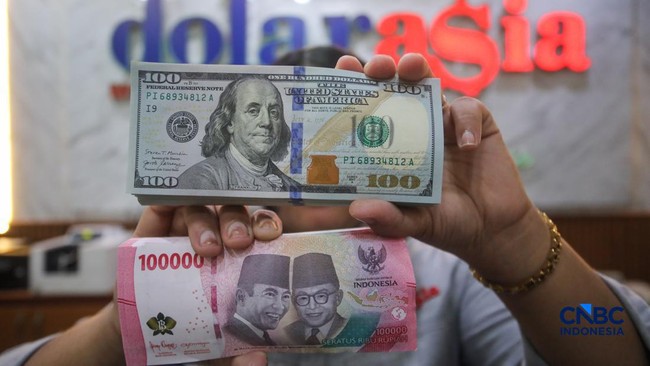
Jakarta, CNBC Indonesia — The rupiah remained under pressure in early trade on Thursday (13/8/2026), weakening further against the United States dollar despite cooling US inflation and a dip in the dollar index at the start of the Asian session.
According to Refinitiv data, the rupiah fell 0.06% to Rp17,875 per US dollar at the market open. This morning’s depreciation extends the previous session’s losses. On Wednesday (12/8/2026), the rupiah closed 0.20% weaker at Rp17,865 per US dollar, marking its second consecutive day of decline.
Meanwhile, the US dollar index (DXY), which measures the greenback against six major world currencies, was observed down 0.08% at 99.931 as of 09.00 Western Indonesia Time. The DXY reversed course after closing 0.19% higher in the previous session.
The rupiah’s movement today continues to be influenced by the market’s response to US consumer inflation data for July and the potential for foreign capital outflows from the domestic stock market following the MSCI index review.
US annual inflation slowed to 3.4% in July from 3.5% in June. Core inflation, which excludes food and energy components, also fell to 2.5% from 2.6%.
The data initially provided a tailwind for emerging market currencies. The US dollar briefly weakened as the inflation slowdown reduced the likelihood of the Federal Reserve raising interest rates in the near term. Markets are now pricing in a 40% chance of a rate hike in September, down from 44% before the inflation data was released and 55% the previous week. The decline in expectations was also influenced by a labour report showing job losses in July.
However, the pressure on the dollar was short-lived. The greenback rebounded as market participants judged that the decline in inflation was not sufficient to alter the Fed’s cautious stance on price pressures. The dollar also drew support from high US government bond yields, with a 10-year note auction recording strong demand at a yield of 4.683%, the highest since 2007.
Tensions between the US and Iran also sustained demand for the dollar as a safe-haven asset. Negotiations on the implementation of a June interim agreement reportedly showed no progress, while uncertainty over the Strait of Hormuz persists.
On the domestic front, the rupiah faces additional risk after the August MSCI review removed several Indonesian stocks from its indices. The change in composition could prompt foreign investors tracking the MSCI indices to adjust their portfolios. Should this adjustment involve share sales and conversion of funds into US dollars, the resulting foreign capital outflows could add further pressure on the rupiah.