
Rupiah Opens Stronger as US Dollar Falls to Rp18,173
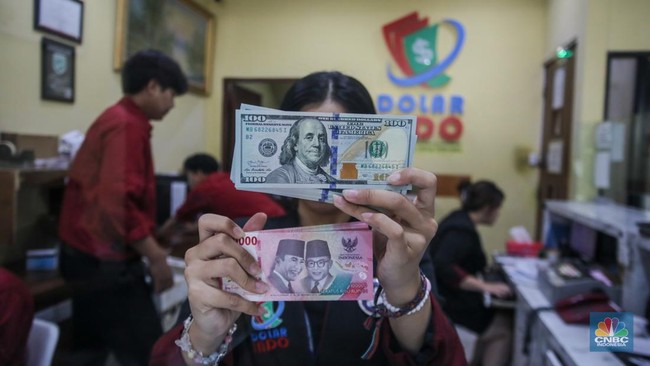
Jakarta, CNBC Indonesia — The rupiah edged higher against the US dollar at the opening of trading on Thursday (29 October 2026), after recording its weakest closing level ever the previous day.
Refinitiv data showed the rupiah opening at Rp18,173 per US dollar, up 0.01%, or two points, from Wednesday’s (28 October 2026) close of Rp18,175 per US dollar.
Meanwhile, at 9am Western Indonesia Time, the US dollar index (DXY), which measures the greenback against six major currencies, was down 0.02% at 102.169.
The weaker US dollar gave the rupiah a little room to strengthen after the Federal Reserve (the Fed) decided to keep its benchmark interest rate unchanged. However, the decision did not fully dispel uncertainty over the direction of US monetary policy.
The Fed held its interest rate in a range of 3.75% to 4.00% early on Thursday (29 October 2026), Western Indonesia Time, in line with market expectations. The decision was not unanimous, however: officials Lisa Cook and Beth Hammack favoured a 25-basis-point rate rise.
The differing views came amid persistently high US inflation. Fed Chair Kevin Warsh also gave no clear indication of the next policy move, as the central bank continues its efforts to bring inflation back to its 2% target.
“Many things can happen. So I can’t share my thinking on what will happen when this group meets again six weeks from now,” Warsh said, according to Reuters.
The Fed’s failure to signal a clear policy direction has kept investors factoring in the possibility of a rate rise at its next meeting. Markets are even putting the likelihood of a December increase at about 80%.
That expectation was also reflected in the US bond market. The yield on 10-year US Treasuries rose to 5.042% after the announcement, potentially increasing the appeal of dollar-denominated assets and limiting gains in emerging-market currencies, including the rupiah.