
Rupiah Nears Rp 18,200 as Oil Prices and MSCI Announcement Trigger Pressure
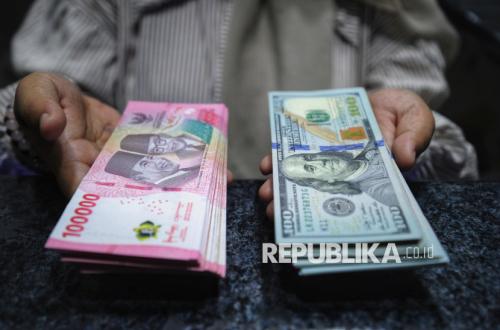
JAKARTA — The rupiah continued to weaken against the US dollar, nearly reaching Rp 18,200 per dollar on Wednesday (28 October 2026). Analysts said the Indonesian currency was under pressure partly because of rising global oil prices and the impact of Morgan Stanley Capital International’s (MSCI) announcement about the status of Indonesia’s capital market.
Bloomberg data showed the rupiah weakened by 28 points, or 0.15 per cent, to Rp 18,184 per US dollar at the close of trading on Wednesday (28 October 2026). This week, the rupiah began breaking through the psychological threshold of Rp 18,100 per dollar.
“Oil prices remaining above US$100 per barrel could increase pressure on the state budget, particularly through higher energy subsidy and compensation costs. This could widen the state budget deficit unless offset by higher government revenues or spending cuts,” currency and commodities analyst Ibrahim Assuaibi said in a statement on Wednesday (28 October 2026).
Rising global oil prices could also drive inflation and increase production and transport costs. The government is said to need to maintain fiscal balance, ensure subsidies are well targeted and keep energy supplies stable.
On the other hand, he said, changes to the classification of Indonesia’s stock market by MSCI could affect foreign investor confidence and capital flows into the domestic market. Ibrahim said that if the change made Indonesia less attractive to global investors, the risk of foreign fund outflows could rise, adding to pressure on the rupiah. Conversely, the impact could be more limited if investor confidence remains intact.
On 16 October 2026, MSCI proposed changing the status of Indonesia’s stock market from emerging market to standalone market. A final decision is scheduled by June 2027 at the latest.
“This uncertainty could weigh on market sentiment and increase rupiah volatility. Transparency in the capital market, enforcement of regulations and consistent reforms are therefore important to restore foreign investor confidence and maintain rupiah stability,” he said.
The market is also concerned about the direction of Bank Indonesia’s (BI) policy, including the potential tension between efforts to stabilise the rupiah and the need to support economic growth — in other words, between a pro-stability and a pro-growth approach.
“If BI raises interest rates, pressure on the rupiah could ease, but borrowing costs could rise and economic activity could slow. Ultimately, clear communication and consistent BI policy are essential to maintaining investor confidence, stabilising the rupiah and supporting Indonesia’s economic growth,” he said.
Source: jawawa.id (https://jawawa.id/newsitem/rupiah-nears-rp-18-200-as-oil-prices-and-msci-announcement-trigger-pressure-1793188346)
Originally published by Republika (https://ekonomi.republika.co.id/berita/tnm5kk423/rupiah-mendekati-rp-18200-harga-minyak-dan-pengumuman-msci-jadi-pemicu), translated from Indonesian