
Rupiah Hits Worst Record, Is the BI Rate Hike Ineffective?
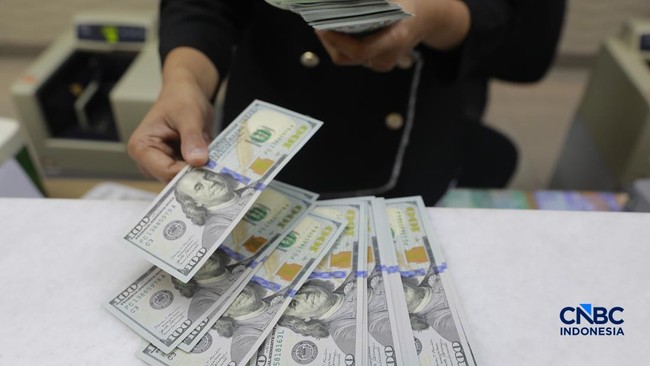
Jakarta, CNBC Indonesia - A number of economists believe that the weakening of the rupiah exchange rate is triggered by global factors, exacerbated by internal domestic issues, specifically the decline in Indonesia’s trade performance. Data from the Central Bureau of Statistics (BPS) shows that the trade surplus in April 2026 was only around US$ 90 million, a sharp drop from US$ 3.32 billion in March, while the cumulative surplus for January-April 2026 fell from US$ 11.07 billion to US$ 5.64 billion.
According to Refinitiv data, at the close of the first trading session at 12:00 WIB, the rate stood at Rp 17,925/US$. This represents the worst level for the rupiah against the greenback in history. This depreciation has raised questions as to whether the BI Rate hike—the benchmark interest rate set by Bank Indonesia (BI) to maintain the rupiah exchange rate—has been insufficient.
UOB Kay Hian economist Surya Wijaksana stated that the BI Rate policy has not yet had an impact because the issue lies in market confidence regarding Indonesia’s fiscal condition. The market observes that when the BI Rate rises, Sovereign Bond (SBN) yields should also rise; however, the opposite is occurring. The BI Rate is increasing, but yields are not.