
Rupiah Hits Rp18,000 per US Dollar: Strategies to Protect Your Finances
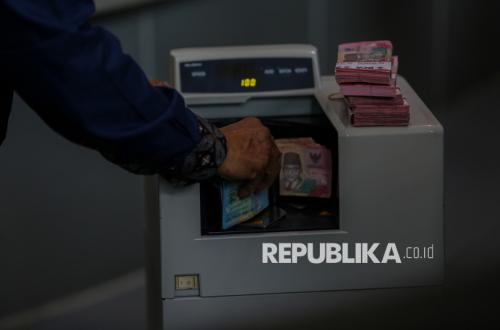
The exchange rate of the Rupiah against the US Dollar continued to weaken, reaching Rp18,000 per USD in early June 2026. This condition is triggering a significant domino effect on the economy and public purchasing power, raising questions on how to manage finances amidst worsening economic conditions.
Financial planner and founder of Mitra Rencana Edukasi (MRE), Mike Rini Soetikno, has advised the public not to panic. According to him, the essential steps involve strengthening emergency funds and evaluating lifestyle choices. For emergency funds, it is recommended to maintain a reserve equivalent to 6 to 12 months of expenses. For those who have not yet established an emergency fund, he encourages immediate action.
“We must be able to increase or provide an emergency fund. It is recommended to have at least 6 to 12 months’ worth, especially during such unstable economic conditions,” Mike Rini stated on Monday (8/6/2026).
He warned that inadequate emergency funds could leave individuals more vulnerable, particularly in the event of redundancies, decreased income, or health issues arising from financial stress. Recently, price increases driven by the weakening Rupiah have been observed, which Mike believes will ultimately impact purchasing power as incomes may no longer suffice to meet basic needs.
Consequently, Mike emphasised the importance of evaluating expenditures and lifestyle. Regarding consumption, for instance, workers and the general public could adjust their protein sources. If meat prices are deemed too expensive, nutritional needs can be met with chicken, eggs, or other affordable alternatives.
“I recently heard that in ‘wartegs’ (traditional food stalls), more people are opting for tofu or tempeh, while more expensive meats are becoming less popular. I believe these are reasonable adjustments for the public to make in this situation,” said Mike.
During periods of economic instability, Mike also urged the public to prioritise needs over wants. Spending on snacks, clothing, or other non-essential products should be postponed or reduced. Additionally, simple steps such as saving water and electricity at home can help reduce routine expenses, allowing more funds to be allocated to savings or emergency funds.
“The boundary lies between needs and wants. Spending on wants must be limited or adjusted to your financial condition. Furthermore, you need to save on household utilities like water and electricity,” he added.
Expenditure on socialising or buying coffee also requires evaluation. Mike suggested several saving methods, including making coffee at home. As a coffee lover himself, Mike admitted to making this adjustment, noting that brewing at home is significantly cheaper than visiting a cafe.
In general, Mike outlined three approaches to reducing non-essential spending: First, completely stopping expenditures that offer no significant benefit. Second, reducing spending by either lowering transaction values or decreasing frequency—for example, reducing ‘work from cafe’ sessions from three times a week to once a week. Third, replacing habits with more economical alternatives, such as choosing cheaper food or finding lower-cost options that provide similar benefits.
“As stated, the key is evaluation. Whatever the form, please adjust. Do not fail to evaluate your spending and lifestyle. It is crucial to ensure your finances do not suffer significantly,” concluded Mike.