
Rupiah Hits Rp 18,000 per US Dollar, West Java Tourism Bus Operators Begin Reducing Operations
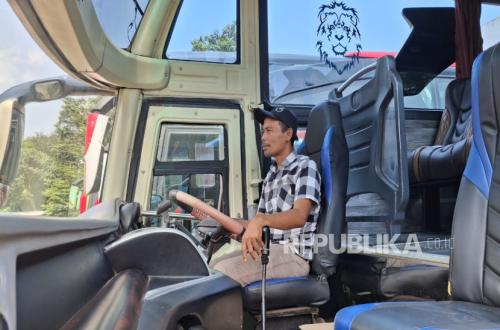
Tourism bus entrepreneurs in West Java are set to suspend parts of their bus operations due to the impact of the Rupiah’s exchange rate hitting Rp 18,000 per US Dollar. They noted that vehicle spare part prices have risen, leading to significantly higher operational costs for buses.
“It is not that they will stop operating entirely, but rather that they will halt the operations of several fleets because of the impact of the Rupiah’s plunge against the US Dollar. This has resulted in increased prices for bus spare parts and caused bus operational costs to soar,” said Herdis Subarja, Secretary General of the West Java Tourism Bus Company Association, when confirmed on Friday (5/6/202<0xA0>6).
He explained that tourism bus entrepreneurs are being hit hard by the Rupiah reaching the Rp 18,000 per US Dollar mark. The impact has caused spare part prices to continue increasing, while revenues continue to decline.
“Orders for tourism bus rentals have been steadily decreasing since the beginning of 2026. Furthermore, the situation has not recovered since the Governor of West Java banned school study tours in West Java in 2025. The condition of tourism bus companies is currently worsening,” he stated.
Herdis urged both central and regional governments to take concrete action to assist tourism bus operators. One proposed measure is the reduction or temporary removal of VAT on certain goods, such as bus spare parts.
Additionally, it is hoped that Non-Tax State Revenue (PNBP) in the field of public transport licensing could be temporarily abolished or made free, alongside the removal of public transport vehicle taxes and other policies. He expressed concern that if the government does not take tactical steps, a crisis similar to 1998, which caused many businesses to collapse, could occur.
“Currently, business operators are forced to endure, and I do not know how much longer they can hold on,” he said.
Herdis added that his organisation is still collecting data on bus companies that have begun suspending parts of their fleet operations. “We are all waiting for government action to support the existence of these business operators to avoid a real crisis,” he concluded.