
Rupiah Hits Record Low, Businesses Anxious
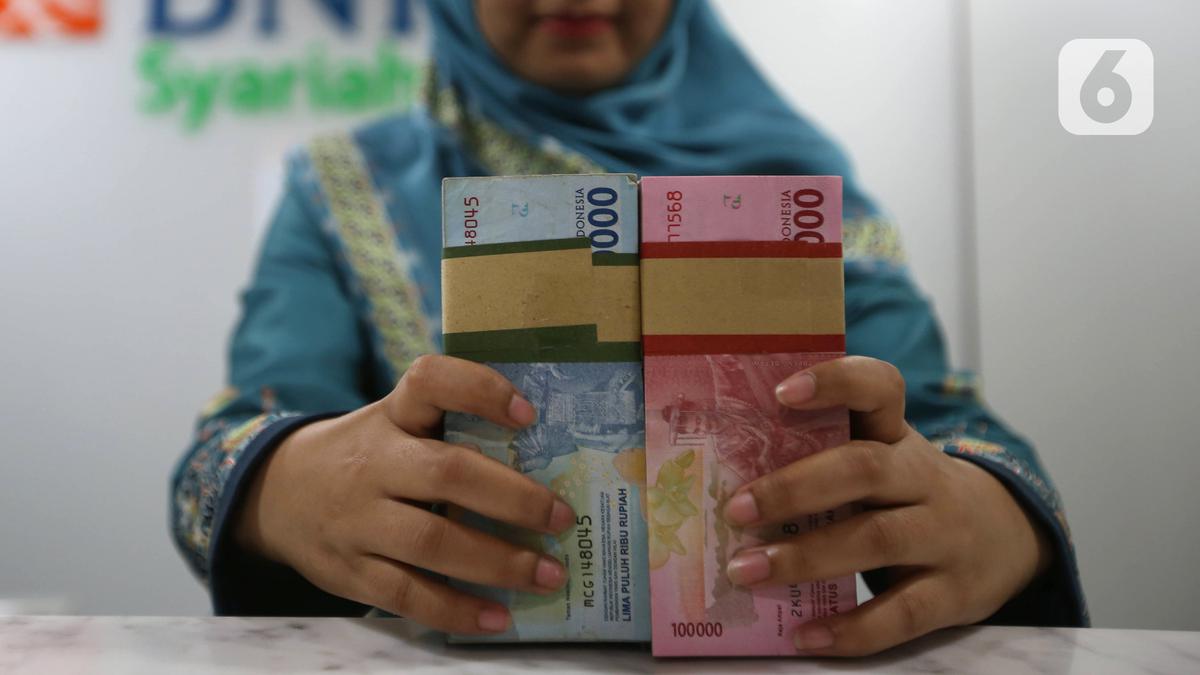
Liputan6.com, Jakarta - The Indonesian Employers Association (Apindo) is closely monitoring the weakening of the Rupiah against the US dollar. The Rupiah has consistently hit record lows.
Apindo Chairman, Shinta Kamdani, has expressed concern about the current weakening of the Rupiah. The Rupiah has touched the level of Rp 17,600 per US dollar, which is the weakest level in history.
“This is certainly a concern for the business world, and it needs to be responded to seriously and in a coordinated manner because it continues to create new all-time low levels,” said Shinta when confirmed by Liputan6.com, Friday (15/5/2026).
She acknowledged that the weakening of the Rupiah is due to global conditions. The ongoing US-Iran war, rising global oil prices, and the US economic situation are all contributing to the strengthening of the US dollar.
“The increase in US Treasury yields, driven by US fiscal financing needs, including the escalation of geopolitical conflicts, has led to a global capital reallocation towards US dollar assets,” she said.
Shinta believes that this condition is affecting almost all developing countries, including Indonesia, through exchange rate pressures and increased capital outflows. “In this context, it is also important to note that the pressure is not temporary, but has the potential to continue as long as global factors do not subside,” she added.
Rupiah Hits Record Low
Previously, the Rupiah had touched the level of Rp 17,612 per US dollar on Friday, May 15, 2026. This figure is considered the deepest weakening of the Rupiah in history.
The trend of Rupiah weakening is mainly due to global factors. The ongoing war between the US and Iran is also holding back the strengthening of the US dollar against other currencies, including the Rupiah. Market analyst and President Director of PT Doo Financial Futures, Ariston Tjendra, confirmed that the Rupiah has touched its weakest level in history.
“Yes, it can be said to be the weakest (in history),” Ariston told Liputan6.com, Friday this week.
Predicted to Continue
He said that the weakening of the Rupiah could continue due to the sentiment of the war in the Middle East. Moreover, if the US-Iran war does not end soon or global oil prices remain at high levels.
“As long as the Middle East turmoil does not subside with rising crude oil prices, the Rupiah will still be under pressure,” he explained.
Ariston believes that this condition will affect investor interest. “It should be good for exporters, as Indonesian goods become cheaper, so the export market should still be attractive to investors. But for investors targeting the Indonesian market, they may hold back,” said Ariston.
Could Weaken Further
Similarly, Economic, Currency, and Commodity Observer, Ibrahim Assuaibi, said that Rp 17,612 is the weakest level in history. However, he predicts that the Rupiah’s weakening could continue to the level of Rp 18,000 per US dollar.
“Yes, for now (the weakest). It will go to Rp 18,000 (per US dollar),” said Ibrahim to Liputan6.com.
He said that the US and Iran conflict is predicted to continue until 2027, making it a factor in the weakening of the Rupiah. Meanwhile, he estimates that the Rupiah exchange rate will move in the range of Rp 17,450-17,800 next week.
Bank Indonesia is Confident that the Rupiah Will Stabilize and Strengthen
Previously, Bank Indonesia (BI) expressed optimism that the Rupiah exchange rate would strengthen and stabilize against the US dollar. BI believes that the Rupiah exchange rate against the US dollar is currently undervalued, or below its fundamental value.
This was conveyed by BI Governor Perry Warjiyo after a limited meeting with President Prabowo Subianto at the Presidential Palace Complex, Jakarta, Tuesday, (5/5/2026) as quoted by Antara.
“First, the exchange rate is now undervalued, and in the future we believe it will stabilize and strengthen,” he said.
Perry said that Indonesia’s current economic fundamentals are actually very strong to support the exchange rate. This is reflected in economic growth of 5.61 percent and low inflation.
Other strengthening indicators include high credit growth and adequate foreign exchange reserves. Perry emphasized that these fundamentals show that the Rupiah should be stable and tend to strengthen in the market.
Short-Term Pressure
However, Perry did not deny short-term pressures that are causing the Indonesian currency to weaken. He said that there are two main factors that are influencing this, namely global factors and seasonal factors.
The global factors that are putting pressure on the Rupiah include high global oil prices and rising US interest rates. Currently, the yield on the 10-year US Treasury has reached 4.47 percent, which is triggering a broad strengthening of the US dollar.
“The Coordinating Minister said that there is a capital flight from emerging markets, including Indonesia,” said Perry, referring to the impact of these global interest rate dynamics.
In addition to global factors, seasonal pressures in the period from April to June also increase the demand for US dollars in the country. The need for foreign currency has increased for the payment of dividend repatriation, debt payments, and the needs of Hajj pilgrims.