
Rupiah Exchange Rate Hits Rp17,600, Experts: Broad Policy Orchestration Required
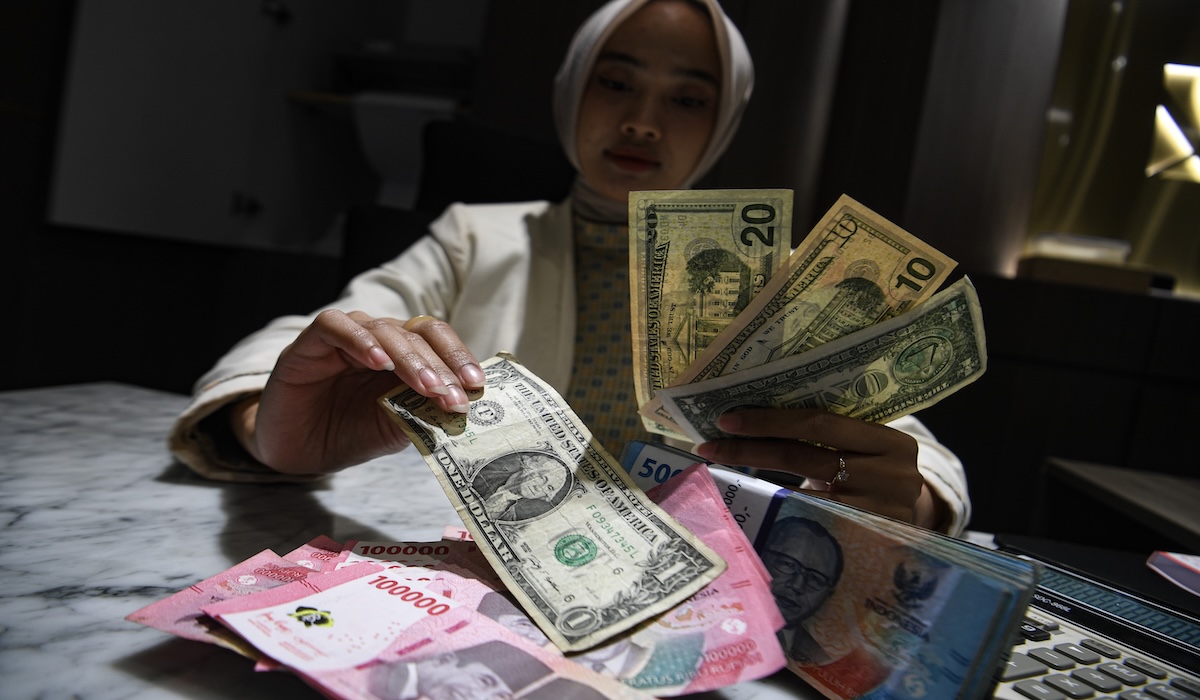
Pressure on the rupiah exchange rate, which has breached the psychological level of Rp1D17,600 per US dollar, is deemed to no longer be manageable through Bank Indonesia’s (BI) market interventions alone. A broader orchestration of policies is required through the synchronisation of monetary, fiscal, and real sector authorities to maintain national economic stability.
Professor Rahma Gafmi, an Economics Professor at Airlangga University, stated that while BI’s intervention is crucial to dampen volatility, market confidence can only be fundamentally built through cross-sector synergy. As of May 2026, the rupiah exchange rate reached Rp17,645 per US dollar, representing a year-to-date depreciation of 5.99%.
“A broader orchestration of policy is required. Synchronisation between monetary, fiscal, and real sector authorities is necessary to build fundamental market confidence,” Rahma told Media Indonesia on Monday.
Rahma highlighted the importance of fiscal discipline in maintaining investor confidence. The government is urged to keep the state budget deficit below the legal 3% limit, despite rising energy subsidy burdens caused by increasing global oil prices. Furthermore, solid communication between the Ministry of Finance, Bank Indonesia, and the Financial Services Authority (OJK) is needed to curb market speculation.
Regarding intervention strategies, BI is currently relying more on non-spot instruments, such as Domestic Non-Deliverable Forwards (DNDF) and swaps, to facilitate corporate hedging. This move is intended to protect foreign exchange reserves, which have declined from US$156 billion to US$146.2 billion as of May 2026.
Furthermore, Rahma emphasised that strengthening the real sector is the most effective long-term solution. According to her, the exchange rate reflects domestic productivity; therefore, accelerating Foreign Direct Investment (FDI) is imperative.
“Robust exchange rate stability does not emerge from cold foreign exchange trading desks, but from the heat of factory engines and busy ports. As long as the current account is supported by real productivity, the rupiah will not lose its purchasing power,” she concluded.