
Rupiah Continues to Weaken, Sompo Indonesia Boss Warns of Surge in Claims Costs
The rupiah exchange rate, which hit Rp17,500 per US dollar on Tuesday (12/5/2026), approaching Rp18,000 per US dollar, is beginning to affect the general insurance industry, particularly through rising vehicle claims costs, imported materials, and medical inflation.
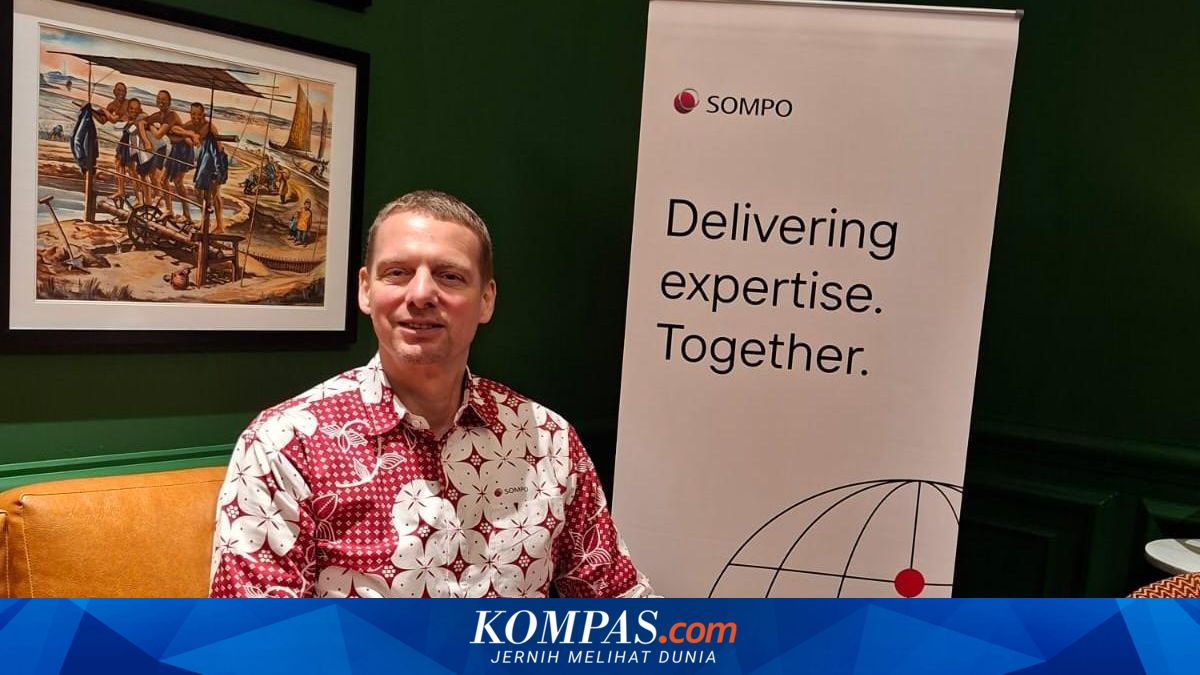
President Director & CEO of PT Sompo Insurance Indonesia, Eric Nemitz, stated that exchange rate fluctuations are one of the main challenges for the industry in 2026, amid a global economic slowdown and escalating Iran crisis.
“When we talk about exchange rate fluctuations, there is certainly an impact because we not only have rupiah-based insurance but also Japanese yen and US dollar,” Eric said in Jakarta on Tuesday (12/5/2026).
According to him, the weakening rupiah will directly affect claims costs related to imported goods. One example is seen in the automotive sector, particularly for vehicle spare parts that are still largely imported from abroad.
“Cars, spare parts, construction materials, and machinery will certainly be affected. That directly impacts the insurance industry,” he said.
“If premiums and claims payments are in the same currency, the impact is relatively small. But in practice, it is almost never perfectly balanced 100 percent,” Eric stated.
He gave the example of marine insurance policies, which generally use the US dollar. If premium receipts and claims payments are both in US dollars, exchange rate pressure can be mitigated. However, imbalances in foreign currency exposure remain difficult to avoid.
In addition, insurance companies are also affected by asset ownership and investments in foreign currencies whose values change with exchange rate movements.
According to Eric, segments such as vehicle, travel, and property insurance are heavily influenced by consumer purchasing power and economic activity. In contrast, health needs tend to remain steady even when the economy slows.
“People might delay buying a new car when the economy weakens, but people do not stop going to the hospital just because the economy is down,” he said.
Eric also assessed that the slowdown in exports-imports and foreign investment is beginning to affect demand for commercial insurance in Indonesia. This is because the growth of the general insurance industry fundamentally moves in line with national economic activity.
Therefore, Sompo is choosing to pursue new market niches that are considered to still have a shortage of insurance services supply.
“If we find segments that are still undersupplied, there is still room for growth there, and the impact on economic cycles becomes smaller,” Eric said.