
Rupiah Continues to Come Under Pressure from the US Dollar, with Implications for People’s Wallets
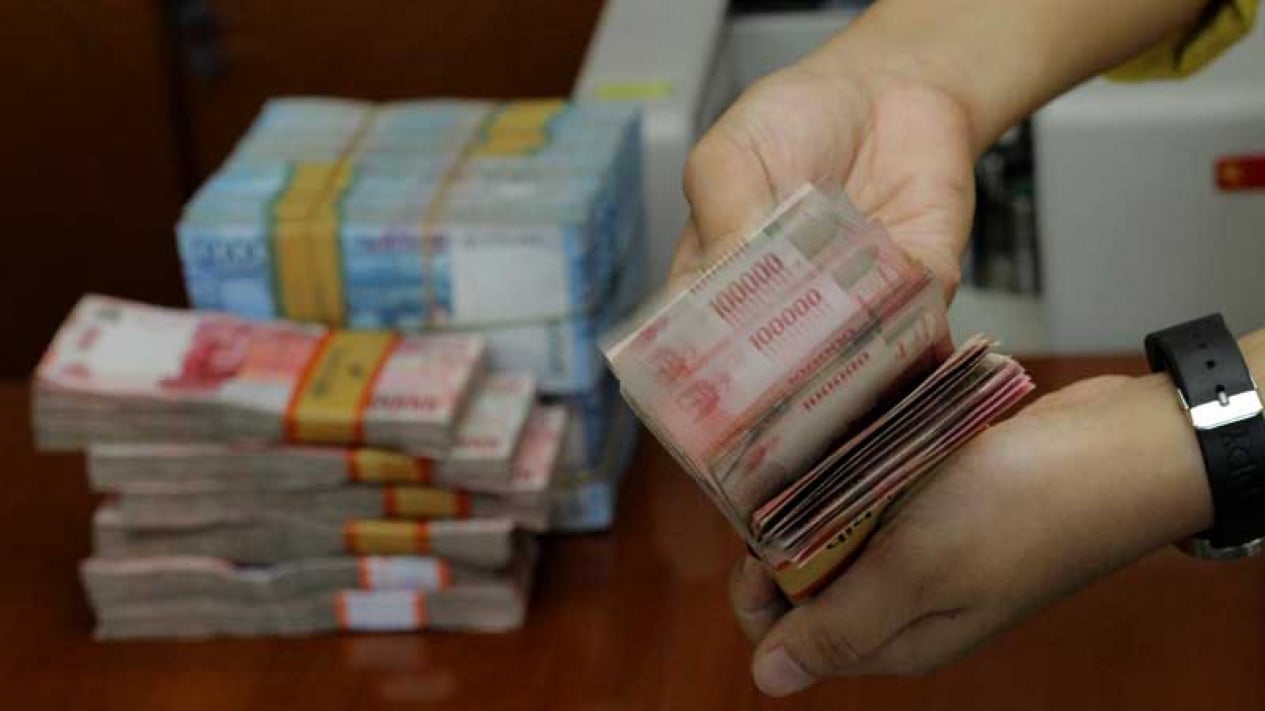
Jakarta, VIVA – The strengthening of the United States dollar again draws attention in the global financial market. This condition has led many world currencies to weaken, including Indonesia’s rupiah, which on Wednesday, 20 May 2026, was reported to have touched Rp17,743 per US dollar.
A depreciation of a currency against the US dollar typically has a direct impact on various sectors of the economy. From the price of imported goods, energy costs, to household spending on overseas needs, these can rise when the dollar strengthens.
Moreover, exchange rate pressure can also affect inflation, foreign investment, and the cost of external debt. Therefore, movements in the US dollar exchange rate often attract attention from the government, business players, and the public.
Here are several effects of currency weakness against the US dollar, as summarised from various sources, Wednesday 20 May 2026.
- Imported Goods Prices Rise
When the domestic currency weakens, imported goods become more expensive because international transactions usually use the US dollar. Products such as electronics, medicines, industrial inputs, and vehicles may experience price increases due to higher import costs.
- Gasoline and Energy Prices Could Rise
World crude oil is traded in US dollars. When the exchange rate weakens, the cost of oil imports becomes higher. This condition can affect fuel prices, transport tariffs, and distribution costs.
- Inflation Rises
Higher prices for imported goods and energy can trigger inflation. If essential goods prices also rise, consumer purchasing power may decline. Inflation can also affect production costs and domestic selling prices.
- External Debt Burden Increases
Government or company debt denominated in US dollars will be more expensive when converted to the local currency. Consequently, debt repayments and interest payments require more funds than before.
- Travel and Education Abroad Costs Rise
A weaker currency makes international travel more expensive. Airline tickets, hotels, education costs, and daily living needs abroad require bigger outlays as the US dollar strengthens.