
Rupiah Closes Weaker at Rp17,762 per US Dollar Ahead of Fed Decision
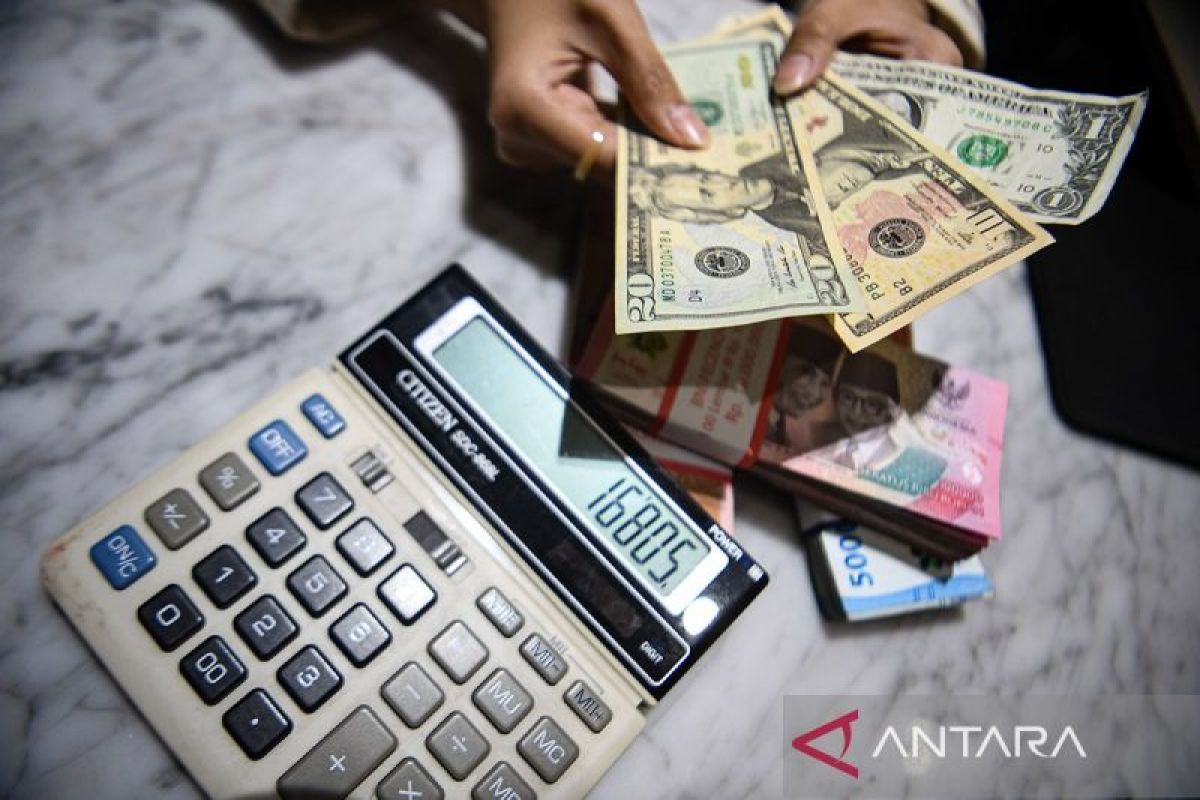
The rupiah exchange rate at the close of trading on Wednesday afternoon weakened by 37 points, or 0.21 percent, to Rp17,762 per US dollar, from the previous close of Rp17,725 per US dollar.
Money market observer Ibrahim Assuaibi said the rupiah’s depreciation was influenced by external and domestic sentiment that remains a concern for market participants.
Externally, markets are monitoring developments in US-Iran relations following optimism over a deal aimed at easing conflict in the Middle East. "The deal, which includes provisions allowing Iran to resume oil exports and extend a temporary ceasefire while negotiations continue," Ibrahim said in a statement in Jakarta on Wednesday.
Nevertheless, uncertainty remains high because the energy production recovery process is expected to take considerable time. Additionally, Israel’s stance, which has not fully supported the deal, raises doubts about the sustainability of the ceasefire.
Market participants are also awaiting the outcome of the US central bank’s, or The Fed’s, policy meeting. The Fed is widely expected to keep its benchmark interest rate unchanged, but investors will scrutinise the latest economic projections and the direction of future monetary policy, including the possibility of rate cuts at the end of the year.
"The central bank is widely expected to keep interest rates unchanged, but investors will scrutinise the latest economic projections and the so-called ‘dot plot’ for clues on the future policy path. Markets are very sensitive to any signal about whether policymakers still see room for easing later this year," Ibrahim said.
Domestically, market attention is focused on the Bank Indonesia Board of Governors Meeting (RDG BI) taking place on 17-18 June 2026. This meeting is in the spotlight after BI on several previous occasions raised its interest rate, or BI Rate, to maintain rupiah exchange rate stability amid external pressures.
Ibrahim assessed that the monetary tightening measures demonstrate BI’s commitment to maintaining financial market and exchange rate stability.
Additionally, Indonesia is considered relatively better prepared to face potential energy supply disruptions from the Middle East because it has diversified its crude oil import sources through long-term contracts with several other supplier countries.
"The diversification of oil supply sources is carried out to maintain national energy security while reducing the risk of supply disruptions due to geopolitical dynamics in the Middle East region. With this strategy, Indonesia has alternative sources of oil imports to meet domestic needs," he added.
For trading on Thursday (18/6), the rupiah is expected to move in a volatile manner but potentially close weaker in the range of Rp17,760 to Rp17,800 per US dollar.