
Rupiah Closes Weaker at 17,127, Middle East Factors Still Weighing
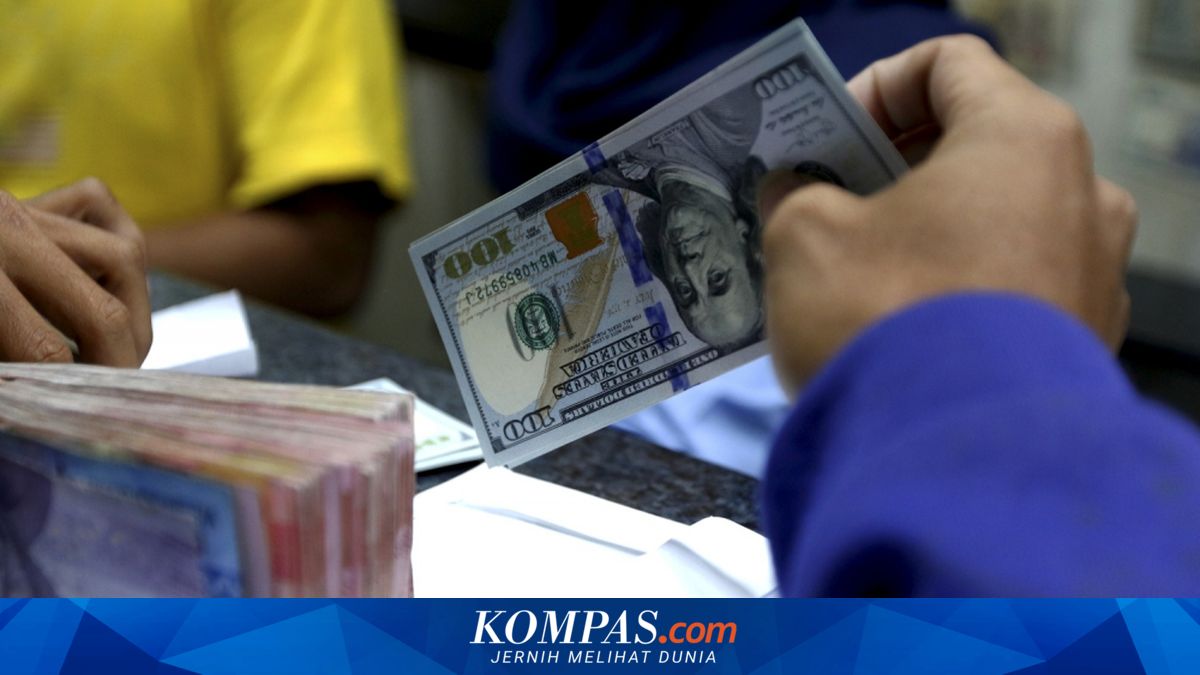
JAKARTA, KOMPAS.com - The rupiah’s exchange rate against the US dollar in the spot market weakened at the close of trading on Tuesday (14/4/2026). The Garuda currency depreciated by 22 points or 0.13% to the level of Rp17,127 per US dollar.
Currency and commodity analyst, Ibrahim Assuaibi, assessed that the rupiah’s weakening was driven by several factors, particularly the escalation of geopolitics in the Middle East.
However, the emergence of signals for dialogue between the United States and Iran is beginning to ease market concerns over the risk of global energy supply disruptions, especially the blockade in the Strait of Hormuz.
“Signs of potential US-Iran dialogue to end the war reduce concerns about supply risks stemming from the US blockade of the Strait of Hormuz,” said Ibrahim to reporters on Tuesday afternoon.
Ship tracking data even shows vessels turning back as that policy began to be implemented.
However, amid the tensions, the market is picking up positive signals from the potential for further negotiations between the two countries.
Iran had threatened to target ports in neighbouring Gulf countries following the failure of talks held in Islamabad.
Nevertheless, several sources indicate that dialogue between the two parties is still ongoing.
Pakistan’s Prime Minister, Shehbaz Sharif, emphasised that de-escalation efforts remain in progress, while US President Donald Trump stated that Iran is showing willingness to reach an agreement.
On the other hand, NATO allies such as the UK and France have chosen not to participate in the blockade and are instead pushing for the reopening of shipping lanes.
US Energy Minister, Chris Wright, even estimated that oil prices could peak in the coming weeks before stabilising as energy distribution normalises.
Global institutions such as the International Monetary Fund (IMF), World Bank, and International Energy Agency have also warned countries not to hoard energy or impose export restrictions, given that this situation is considered one of the largest shocks in the global energy market.
Domestically, Ibrahim assessed that rising global uncertainty is also pushing businesses into a wait-and-see phase. The escalation of conflict in the Middle East and the stalemate in US-Iran negotiations are making business actors more cautious in making expansion decisions.
Declining business expectations and stagnant sales reflect this caution.