
Rupiah Closes Stronger at 17,142, Here Are the Series of Sentiments
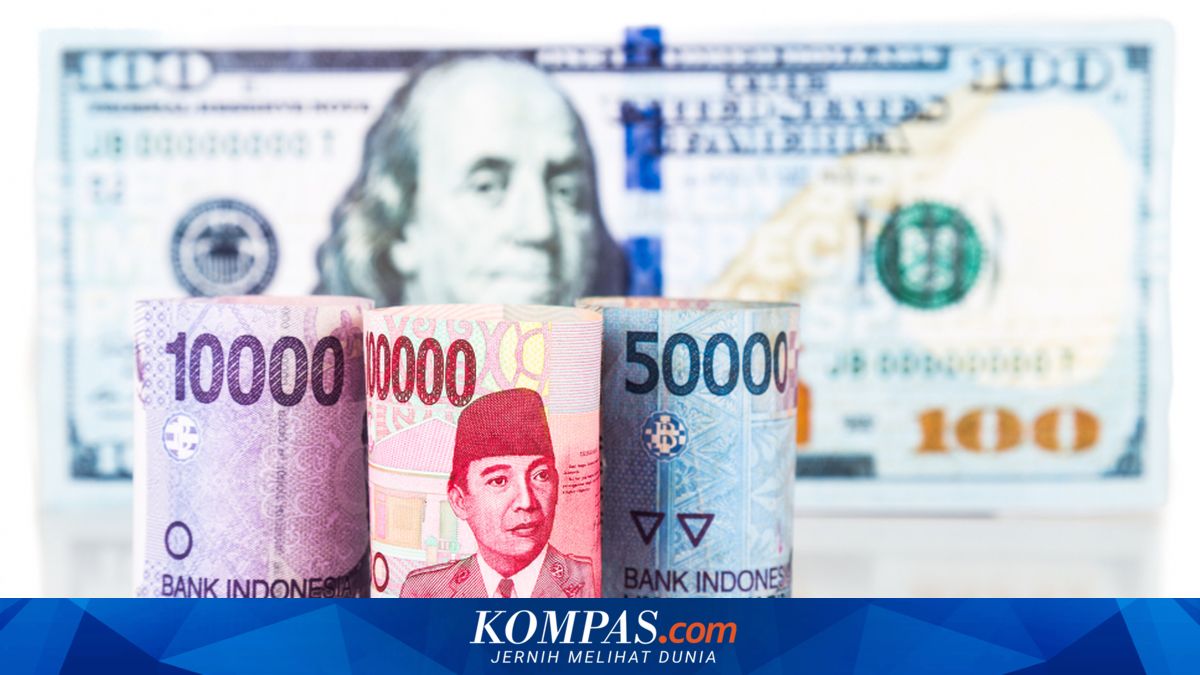
JAKARTA, KOMPAS.com - The rupiah exchange rate in the spot market closed slightly stronger in trading on Tuesday (21/4/2026). The Garuda currency rose 26 points or 0.15 percent to the level of Rp 17,142 per US dollar.
Analyst for Currencies and Commodities, Ibrahim Assuaibi, assessed that the rupiah’s movement is still influenced by dynamics in the Middle East.
Particularly the future of the conflict between the United States (US) and Iran, which remains shrouded in uncertainty.
“The future of the war is largely still uncertain, amid conflicting signals about whether further US-Iran peace talks will take place,” said Ibrahim to reporters on Tuesday afternoon.
However, Iranian officials stated that negotiations are difficult to realise as long as the US maintains its naval blockade against their country.
Nevertheless, several reports indicate that Tehran has signalled to regional mediators that they will send a delegation to Islamabad.
On the other hand, the fragile ceasefire between the US and Iran is scheduled to end on Wednesday.
Trump also indicated that an extension of the agreement is unlikely to occur.
This situation is further tightening the market, especially after the latest US military action that fired upon and captured an Iranian-flagged vessel over the weekend.
In addition to geopolitical conflict developments, market attention is also focused on the Warsh confirmation hearing scheduled for 10.00 ET (14.00 GMT). Warsh’s independence from Trump’s influence is the main issue, given that the US President has consistently pushed for interest rate cuts.
Warsh’s nomination is considered not as accommodative as market expectations.
Although supporting low interest rate policies, he previously criticised the Federal Reserve’s asset purchase programme and advocated for a leaner central bank balance sheet.
Amid these global pressures, Ibrahim assessed that Indonesia’s economic fundamentals continue to show solid resilience.
The government continues to promote increased investment by maintaining economic growth in line with targets, as well as aligning fiscal policies with on-the-ground realisations to create sustainable economic improvements.