
Rupiah Breaks Rp17,800 per US Dollar, Economist: Monetary Tools Alone Insufficient
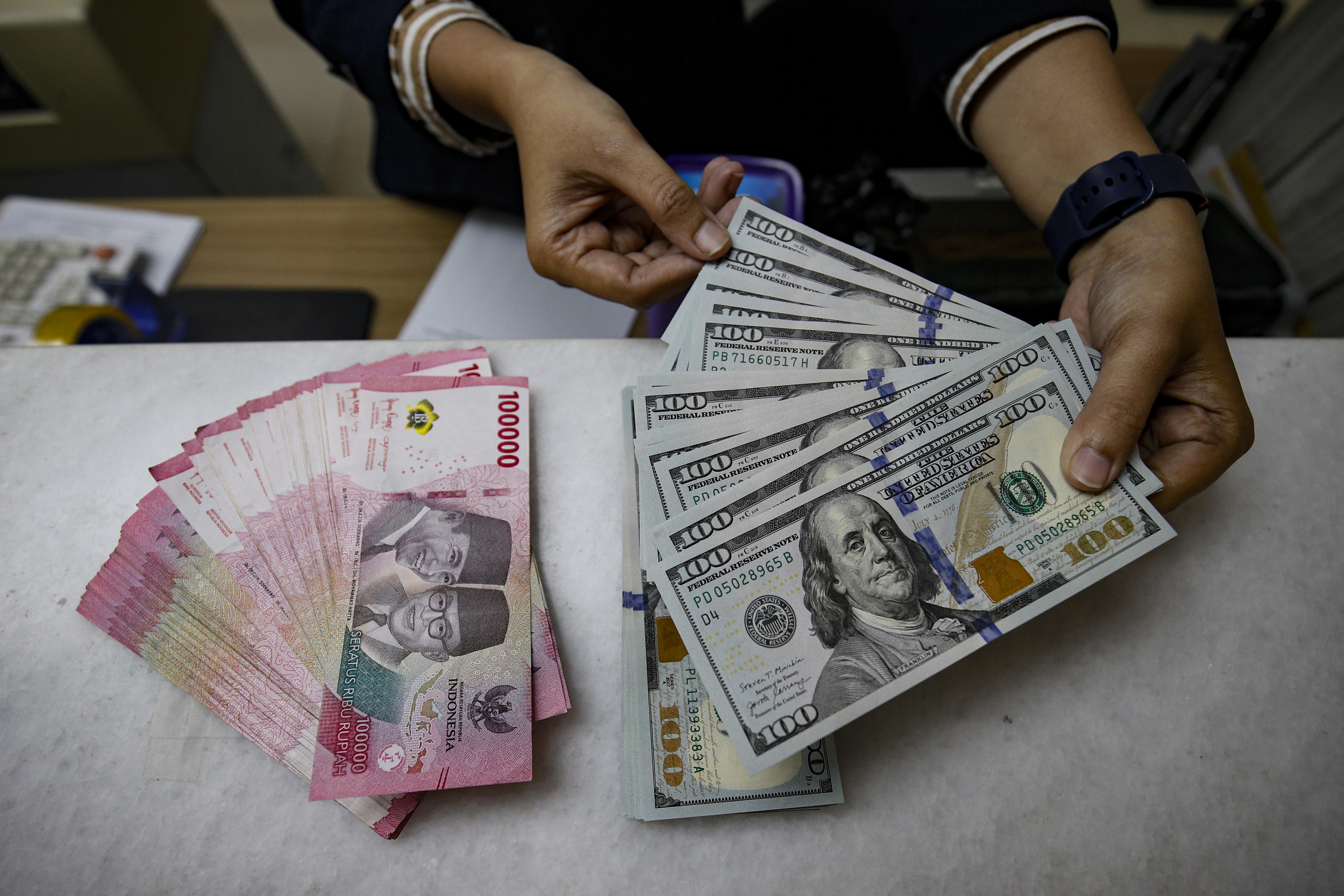
Rupiah’s persistent pressure, breaking through the Rp17,800 per US dollar level, has drawn serious attention from experts. Yusuf Rendy Manilet, an economist at the Center of Reform on Economics (CORE), stated that aggressive monetary policy measures alone cannot stem the rupiah’s depreciation. Despite the Bank Indonesia raising the benchmark interest rate (BI-Rate) by 50 basis points and increasing the yield on Bank Indonesia Rupiah Securities (SRBI), the currency continued to weaken. Yusuf explained that this indicates domestic asset yields are no longer the primary driver of exchange rate movements.
According to CORE’s analysis, the rupiah’s decline is driven by a combination of external and internal factors: Global factors include rising geopolitical tensions and uncertainty, prompting investors to seek safe-haven assets like the US dollar. Domestically, negative sentiment around fiscal credibility and market doubts over the consistency of economic policies are contributing. Yusuf highlighted the role of interest rates: ‘While interest rates remain important for containing margin pressures and maintaining short-term stability, their function is more of a temporary buffer than a primary cure,’ he said.
He emphasised that the market now demands a broader distribution of stabilization responsibilities beyond the Bank Indonesia. Strategic steps suggested include restoring credibility through transparent and consistent technocratic policies, strengthening foreign exchange supply via effective management of export earnings (DHE), and involving state-owned enterprises and Danantara in scheduled forex conversions during market stress. Structural reforms are also needed to address long-term vulnerabilities such as commodity dependence and persistent primary income deficits.
‘The market is not merely waiting for additional steps from Bank Indonesia but expects a wider sharing of stabilization responsibilities,’ Yusuf added. ‘This means strengthening domestic foreign exchange supply management and, more crucially, restoring fiscal credibility through consistent and technocratic policy processes.’ He also noted that foreign investors are selling rupiah assets primarily due to perceptions of policy direction rather than interest rate concerns alone.
Yusuf warned that without addressing the fragile balance of payments structure, monetary measures would only temporarily delay pressure. ‘Dependence on commodities, persistent primary income deficits, and shallow financial markets are recurring sources of vulnerability. Until these structural issues are resolved, interest rate hikes will only postpone the same pressures,’ he concluded. (Ant/E-4)