
Rupiah Breaches Rp17,600, Economists Urge Strengthening of Fiscal Governance
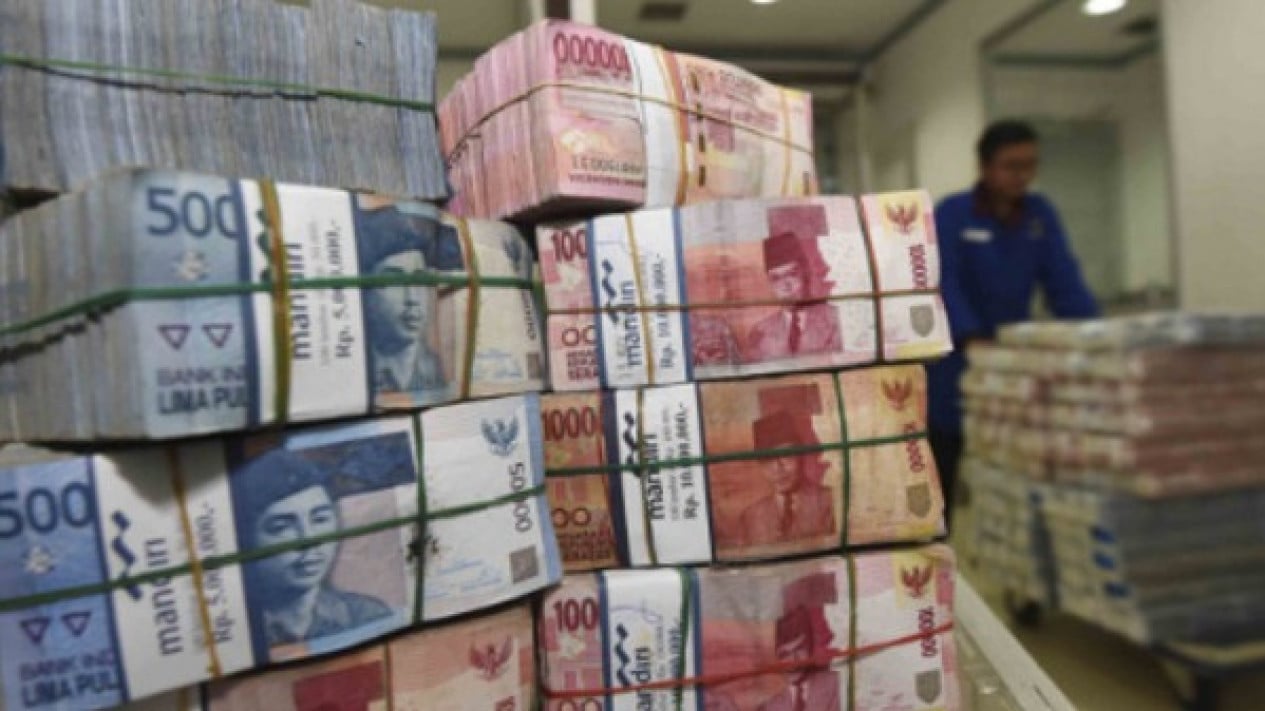
Jakarta – The rupiah, under continued pressure and breaking through Rp17,600 per US dollar, has again sparked concern among economic participants. The depreciation is seen not merely as short-term volatility, but as a reflection of structural problems accumulating in the management of the national economy.
In response, Prof Didin S. Damanhuri, Chair of the Expert Council of the Association of Bumiputera Entrepreneurs Nusantara Indonesia (Asprindo), said the incident was not caused by a single issue but a collection of problems in Indonesia’s economic governance.
‘This is a chain of problems related to the fundamental structure of the country’s economy, both monetary and fiscal, and trust—the confidence of rating agencies and other countries toward Indonesia,’ he said, as quoted from a press release, Wednesday, 20 May 2026.
He stressed that the depreciation of the rupiah cannot be laid solely at Bank Indonesia’s door. Besides domestic factors, he also pointed to external pressures such as geopolitical conflicts that drive import inflation.
‘Because of the conflict there is an energy crisis, which ultimately leads to import inflation. Moreover, Indonesia does not only import energy, but also a range of other food commodities, such as wheat, garlic, beef, salt, and others,’ he said.
On the financial markets side, he noted that problems in the equity market also worsen global investor sentiment. From the fiscal side, Prof Didin highlighted budget leakage and inefficiencies in government spending.
‘Budget leakage, budget inefficiency, corruption—these are also among the drivers. Although many cases have already been tried in court—from tin, oil and gas, to Hajj—there are likely many more that have not yet been disclosed by the Attorney General’s Office and the Corruption Eradication Commission (KPK). This is also related to trust issues; that is why Moody’s and S&P downgraded Indonesia’s rating,’ said Prof Didin.
He also highlighted the sizeable budget for government priority programmes, which are deemed to potentially pressure the state budget (APBN) and add to financing needs. ‘What is happening today to the rupiah exchange rate is the culmination of an accumulation of poor APBN and monetary governance,’ said Prof Didin.
He assessed that the budgeting scheme could potentially drive a rise in new debt to Rp826 trillion in 2026. He also urged the government to tighten fiscal discipline and maintain market confidence.