
Rupiah Breaches 18,000 per US Dollar, Squeezing Manufacturing SMEs in Batam on Import Costs
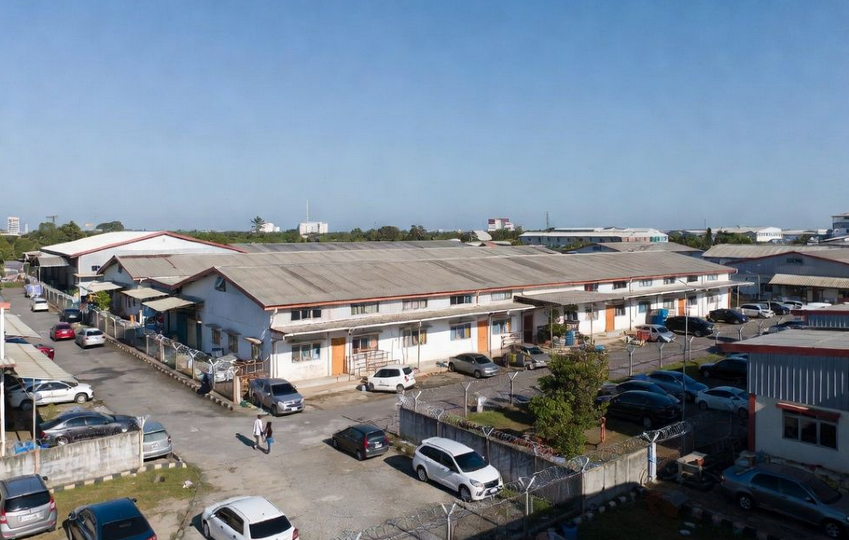
The weakening of the rupiah exchange rate against the United States (US) dollar is beginning to exert intense pressure on Small and Medium Enterprise (SME) operators in Batam. The processing and manufacturing support sectors are the most affected by the surge in raw material import costs.
Based on market data on Friday (5/6/2026), the US dollar exchange rate was observed creeping up in the range of Rp18,030 to Rp18,050. Meanwhile, selling rates at several financial institutions have even touched the level of Rp18,130 per US dollar. This condition has triggered a significant rise in production costs amidst tight competition in the domestic market.
SME operators in Batam admit they find it difficult to pass on the increase in production costs to consumers. Abdullah (45), an entrepreneur in the processing sector, revealed that instantly raising selling prices risks making his products lose competitiveness.
‘When the dollar rises, raw material prices automatically go up. But we cannot immediately raise selling prices because the market is very competitive,’ said Abdullah on Friday (5/6).
Echoing this sentiment, Hajuli (52), another SME operator, complained that profit margins are thinning. According to him, the increase in operational costs is not accompanied by an increase in people’s purchasing power, causing the company’s cash flow to be disrupted.
The Chairman of the Indonesian Employers’ Association (Apindo) Batam, Rafki Rasyid, explained that this vulnerability is caused by the local industry’s high dependence on imported materials. Supporting manufacturing sectors such as electronics, packaging, and spare parts are the hardest hit.
‘Business operators who depend on imported raw materials are facing quite significant cost increases, while the room to raise prices is very limited,’ Rafki explained. However, he noted that export-oriented SMEs actually benefit because their dollar earnings are worth more when converted into rupiah.
This condition is an alarm for the Regional Government and the Batam Concession Agency (BP Batam) to immediately strengthen programmes for increasing local content. Domestic supply chain efficiency is considered a long-term solution so that industries in Batam are not continually vulnerable to global exchange rate fluctuations.
The weakening of the rupiah in June 2026 is a serious concern, considering that SMEs are the backbone of employment in the free trade zone.