
Rupiah Breaches 18,000 Mark, BI Ramps Up Intervention Intensity
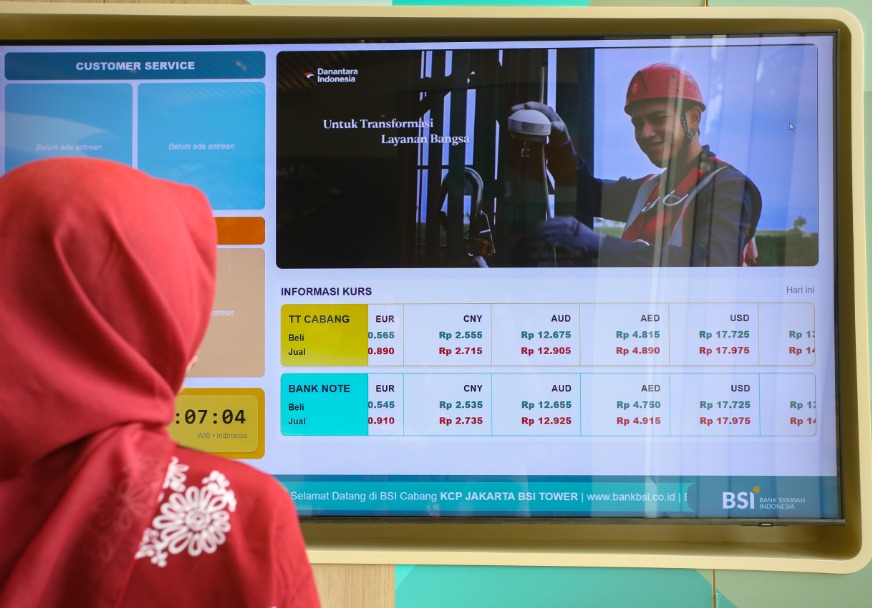
Bank Indonesia (BI) has addressed the weakening of the rupiah exchange rate, which has touched Rp18,000 per US dollar. BI Senior Deputy Governor Destry Damayanti stated that the depreciation is still being influenced by the escalating geopolitical tensions in the Middle East, which have hindered peace prospects. This has kept oil prices high and increased the risks of global inflation and capital outflows from emerging markets.
“Additionally, domestic demand remains quite high in line with dividend repatriation patterns and external debt (ULN) payments,” Destry said in a statement on Thursday.
According to her, Bank Indonesia will continue to be present in the market and increase the intensity of interventions. The objective is to ensure that market mechanisms function properly and that the stability of the rupiah exchange rate is maintained in accordance with its fundamentals.
Furthermore, BI will strengthen the interest rate structure of pro-market monetary instruments to remain attractive for capital inflows into domestic asset instruments. Destry noted that continuous intervention will be carried out consistently through Non-Deliverable Forward (NDF) transactions in the offshore market, spot transactions, and Domestic Non-Deliverable Forward (DNDF) in the domestic market, accompanied by the purchase of government securities (SBN) in the secondary market.
“Coordination and communication with corporations and other market players continue to be conducted intensively,” she added.
In addition, Bank Indonesia is also encouraging the use of local currencies in bilateral cooperation through the Local Currency Transaction (LCT) scheme. This is an effort to reduce dependence on the US dollar and mitigate exchange rate volatility risks. Such cooperation has been established with China, Japan, Malaysia, Thailand, South Korea, and the United Arab Emirates.
“The diversification of trade transactions through the LCT scheme continues to increase; in April, it reached approximately US$22.7 billion, compared to approximately US$25.7 billion for the full year of last year,” said Destry.
“In general, the rupiah’s weakness is still in line with the regional trend, weakening by -7.44% year-to-date. Foreign exchange reserves remained maintained at the level of US$146.2 billion at the end of April 2026,” she concluded.
Trade Minister Budi Santoso responded to the rupiah’s breach of the Rp18,000 per US dollar mark, stating that this condition presents an opportunity to strengthen Indonesian exports. Meanwhile, a member of Commission IV of the Indonesian House of Representatives (DPR RI), Rina Sa’adah, reminded the government to be wary of the impact of the rising USD/IDR exchange rate on national food prices.