
Rupiah and Rupee Under Pressure, Asia Faces New Economic Dilemma
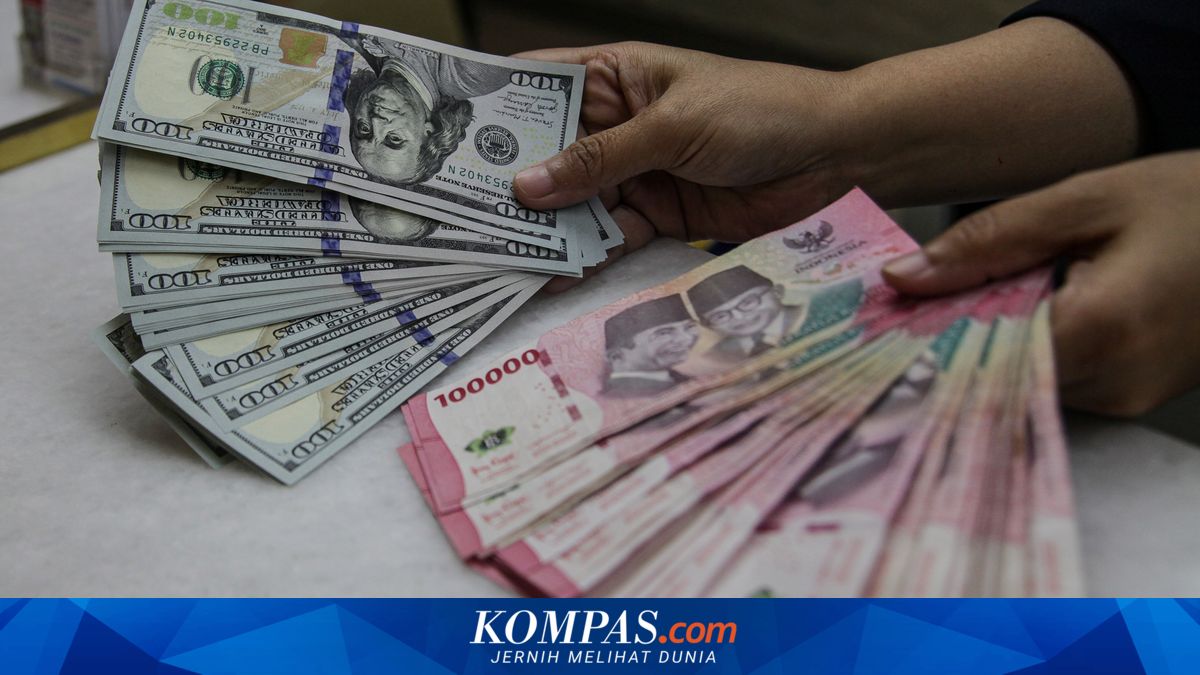
Asian countries are beginning emergency steps to curb economic pressure from rising global energy prices. The trigger is the war in the Middle East which has effectively closed the Strait of Hormuz. This sea lane has long been the main route for global oil distribution. Asia is the most vulnerable region because around 80 percent of oil passing through the Strait of Hormuz is shipped to Asian countries. Pressure is already visible in the currency markets. Several Asian currencies have fallen to record lows against the US dollar. The situation has forced central banks to raise interest rates and deplete foreign exchange reserves. Governments now face a major dilemma. High interest rates risk slowing the economy. But if the currency continues to weaken, inflation could become harder to control. The government is asking people to cut travel abroad and refrain from buying gold to maintain rupee stability. Prime Minister Narendra Modi is even said to have reduced the motorcade to save fuel. Reuters reported that India’s central bank is expected to burn through about $1 billion per day, or around Rp 17.7 trillion, to support the rupee, which is now near 97 per US dollar. This step shows the heavy pressure India faces as one of the world’s largest energy importers. Bank Indonesia surprised markets on Wednesday by raising the benchmark rate by 50 basis points to shore up the rupiah, which fell to around Rp 17,700 per dollar. The government has also taken control of strategic commodity export management so that foreign exchange earnings stay in the country and the rupiah is used. However, the policy has sparked concerns among investors. A day after the rate hike was announced, the rupiah weakened again and the Indonesia Stock Exchange index tumbled. Investors worry that government policy is becoming more interventionist and increases the risk of a downgrade in Indonesia’s credit rating. “That is not something that will encourage people to invest. It’s like a state intervention approach,” said Charlie Robertson, Global Chief Economist at FIM Partners. “Is this how it looks like a government that knows more than the market? What has happened over the last six months shows not. Too many things are going in the wrong direction,” he continued. S&P Global Ratings warned that centralised control of commodity exports could suppress exports and worsen Indonesia’s balance of payments.