
Rumah Elok Elderly Daycare: A New Hope Against Loneliness
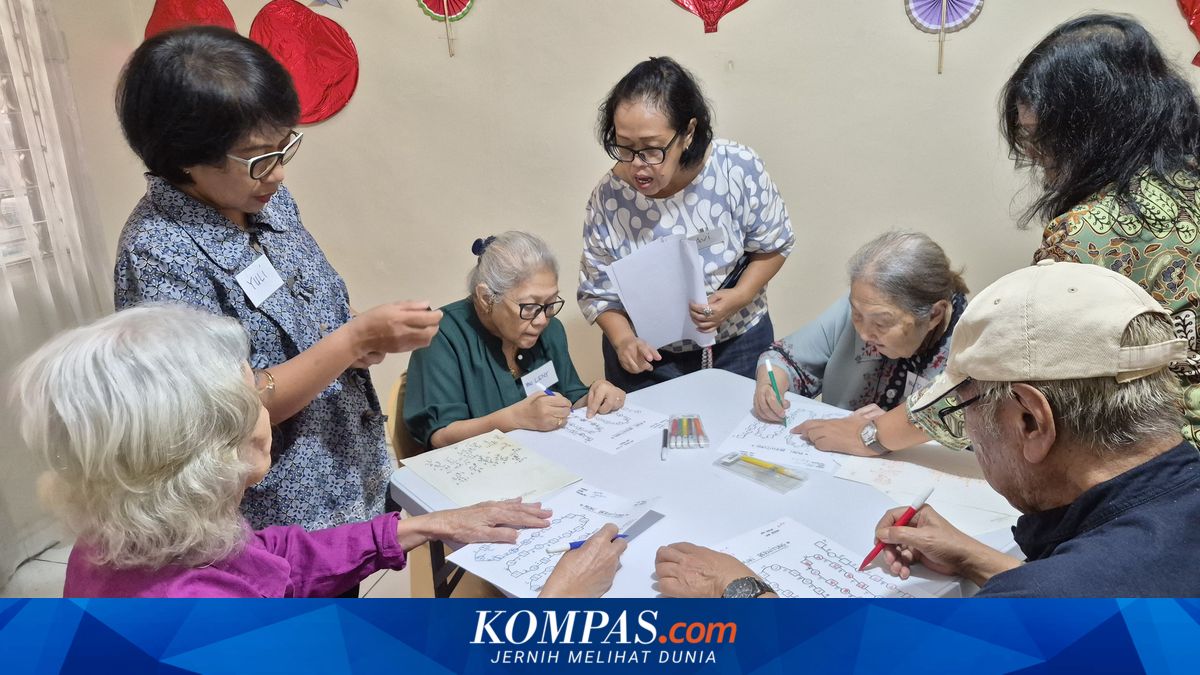
In the elite area of Pondok Indah, South Jakarta, a modest house has become a new hope for the elderly to live their lives. The modest 120-square-metre building is known as ‘Rumah Elok Lansia’ (REL), located at Jalan Alam Segar VII No. 21, Pondok Indah, South Jakarta. Rumah Elok is an elderly daycare established in 2017 by two friends, Mira (61) and her colleague Ita Siregar. The idea for the daycare emerged when the two friends reunited after years and began sharing stories about their aging parents. Additionally, Mira had to care for her mother, who suffers from dementia. She feared her mother’s health would deteriorate if she spent all her time at home. Over time, Mira and Ita began inviting friends with elderly parents to join Rumah Elok. Mira admitted that she and her friend had to spend hundreds of millions of rupiah to establish Rumah Elok Lansia. The funds were used to purchase all necessary facilities to support the elderly’s activities at the daycare. Fortunately, when Rumah Elok Lansia first opened, they did not need to rent a space as it was held at Mira’s home on Jalan Alam Elok, Pondok Indah. The address of the house inspired the name ‘Rumah Elok Lansia’ which remains to this day. However, the Covid-19 pandemic temporarily halted all activities at Rumah Elok Lansia. In 2023, the daycare reopened but relocated to Jalan Alam Segar VII, which is also owned by Mira’s family. ‘Our mission is to create a home-like environment where the elderly feel comfortable, reminiscent of their past arisan gatherings. That’s how we’ve set it up,’ Mira explained. Rumah Elok Lansia now has several rooms, including a living room, classroom, and dining area with a large glass-topped round table. At this table, the elderly rest and have lunch together with daycare facilitators and their respective companions. However, the most important factor is the elderly’s own willingness to socialise and engage in community activities; they must not be forced. Family support is also essential. Relatives are interviewed beforehand. ‘I interview the families first to understand if the elderly have any trauma, their hobbies, preferences, dietary restrictions. There’s a lot to uncover from the family,’ Mira said. Therefore, the daycare requires families or the elderly’s children who can communicate and collaborate.