
Rules on Cutting Nails and Hair Before Sacrifice: Explanation of the Four Schools of Thought
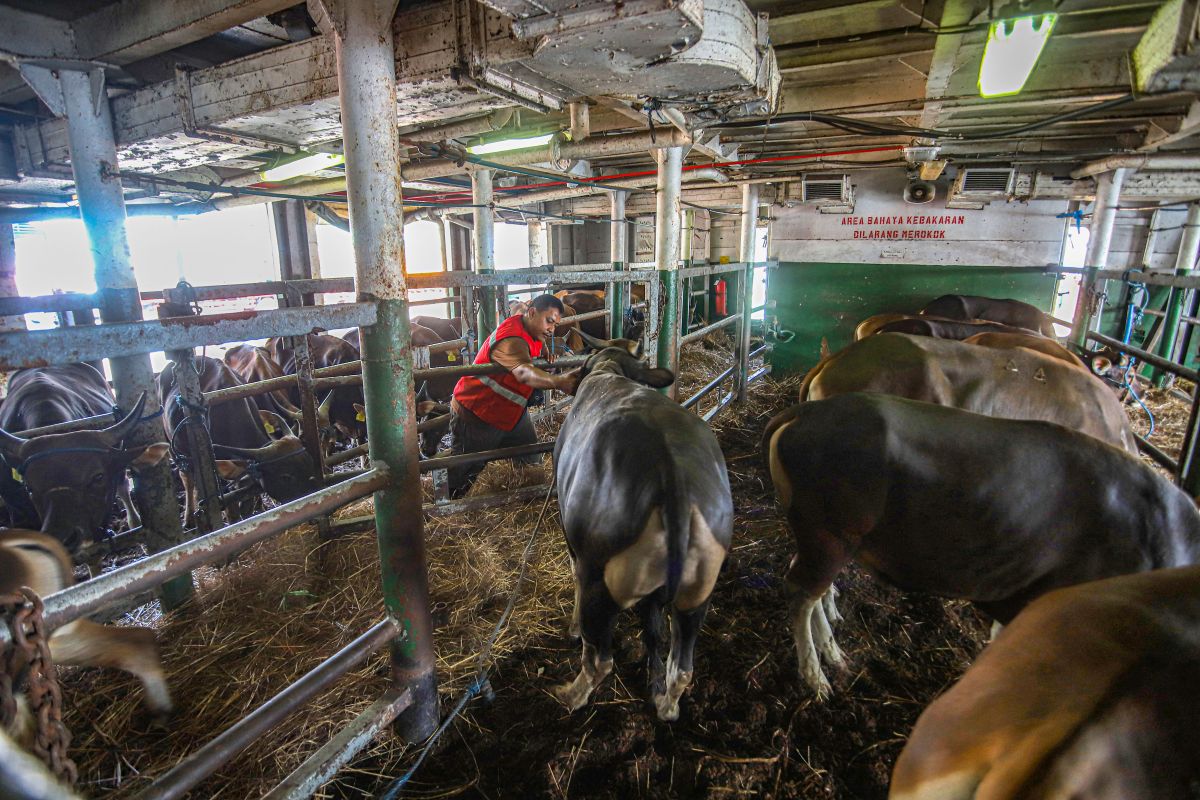
Leading up to Eid al-Adha, Muslims intending to perform the kurban ritual frequently encounter questions about the prohibition on cutting nails and hair. This tradition stems from a hadith of Prophet Muhammad SAW, which has led to differing opinions (ikhtilaf) among scholars of the four major schools of thought. Understanding these rulings is crucial to ensure the sacrifice adheres to Islamic law and provides peace of mind for the person offering the kurban.
The primary basis for this ruling is a hadith narrated by Ummu Salamah RA, where the Prophet SAW stated: “When the first ten days of Dhu’l-Hijjah begin and one intends to sacrifice, they should not remove any hair or skin.” (HR. Muslim). This prohibition applies from the first day of Dhu’l-Hijjah until the animal is slaughtered on the day of Nahar (10th Dhu’l-Hijjah) or the Days of Tashriq (11th, 12th, 13th Dhu’l-Hijjah).
Scholars differ on whether the prohibition is haram (forbidden) or merely makruh (disliked). Key points include:
The prohibition begins at sunset on the last day of Dhu’l-Qa’dah (i.e., the first day of Dhu’l-Hijjah).
- If one accidentally cuts nails, no fidyah (compensation) or penalty applies; simply seek forgiveness and continue with the intention to sacrifice.
- If nails are excessively long and cause pain or disrupt daily activities (emergency situation), cutting them is permitted under fiqh principles.
Yes, the ruling applies to those who have intended to offer the kurban, even if they do not witness the slaughter directly.
- Nails may be cut immediately after the animal is slaughtered. If the exact time of slaughter is unknown, it is advised to wait until after Eid prayer or by the evening of Nahar.
Government social assistance is set to be distributed to Al Tsumairi Grand Mosque in Jl. Mataram, Sumurpanggang Village, Margadana Subdistrict. This year’s Eid al-Adha sees foundations projecting the management of 35 to 40 cattle and 120 to 130 goats. The slaughterhouses (RPH) are equipped with adequate facilities and guarantee that the sacrificial products meet ASUH standards: safe, healthy, intact, and halal.