
RSPO Stresses Accountability in Tackling Indonesia’s Forest and Land Fire Crisis
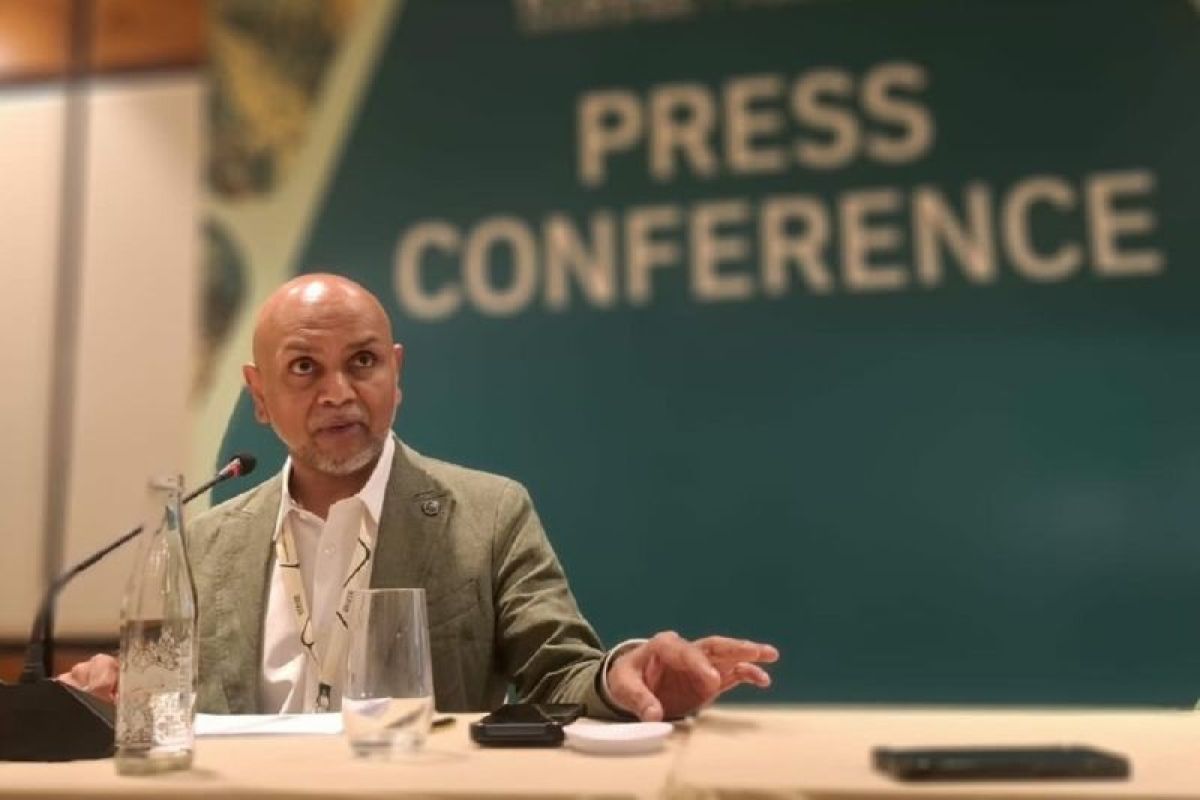
Jakarta (ANTARA) – The Roundtable on Sustainable Palm Oil (RSPO) has reaffirmed its commitment to transparency by presenting data, facts and evidence of measures taken to prevent and address forest and land fires in Indonesia, supported by the RSPO system.
RSPO Chief Executive Officer Joseph D’Cruz said at the RSPO Roundtable Conference on Sustainable Palm Oil (RT2026) in Jakarta on Tuesday that data showed RSPO-certified concessions were affected by fires at a significantly lower rate than the industry average.
Satellite monitoring data from Nusantara Atlas and TreeMap for January to September 2026 showed that, of the 1.9 million hectares burned in 2026, about 14,500 hectares (0.8 per cent) were confirmed to be within RSPO-certified concessions, he said.
“If unusual fire activity is identified in a particular concession, we will identify it and conduct an investigation. One such concession is currently the subject of a complaint through the RSPO Complaints System, and we will examine other concessions carefully,” he said in a statement.
He added that analysis found no burned land in plantations belonging to RSPO-certified independent smallholders, although some of these groups live and farm in areas affected by fires.
“What should be noted is that, to date, there are no data or evidence showing that RSPO-certified units have deliberately engaged in land burning,” D’Cruz said at the conference, themed “Strong Foundations – Impact in Action”.
He called on all RSPO members to stop remaining silent and to speak up about their commitment to maintaining the record they have built, by presenting data, facts and evidence of the action they have taken to prevent and address fires.
On independent smallholders, D’Cruz said the important role of palm oil in supporting rural livelihoods was evident in the contribution of smallholders, who are one of the sector’s main pillars.
Independent smallholders produce almost half of Indonesia’s total palm oil output, he added. Indonesia is also home to 77 per cent of RSPO-certified independent smallholders worldwide, giving the country a strategic role in transforming the palm oil sector towards more sustainable practices.
At RT2026, the RSPO recognised 45 new independent smallholder groups from Colombia, Indonesia, Malaysia, Peru and Thailand that had completed the initial RSPO certification process.
RT2026, held on 3–4 November 2026, brought together global stakeholders to promote concrete action towards a more sustainable palm oil industry.
The meeting also underscored the importance of ensuring that the RSPO’s foundational mandate continues to deliver tangible environmental and social progress amid geopolitical shifts and changes in global market conditions.
RT2026 called for efforts to go beyond compliance with standards and traceability towards achieving tangible outcomes throughout the sustainable palm oil value chain.
Accountability, transparency and shared responsibility underpinned cross-sector discussions, which covered efforts to halt deforestation, protect biodiversity, strengthen climate action, promote the inclusion of independent smallholders, and respect and protect community rights.
Source: jawawa.id (https://jawawa.id/newsitem/rspo-stresses-accountability-in-tackling-indonesias-forest-and-land-fire-crisis-1793728346)
Originally published by Antara (Indonesian) (https://www.antaranews.com/berita/5830155/rspo-tegaskan-akuntabilitas-dalam-tangani-krisis-karhutla-di-indonesia), translated from Indonesian