
Rp 1.2 Million Savings and Life's Gamble in Jakarta
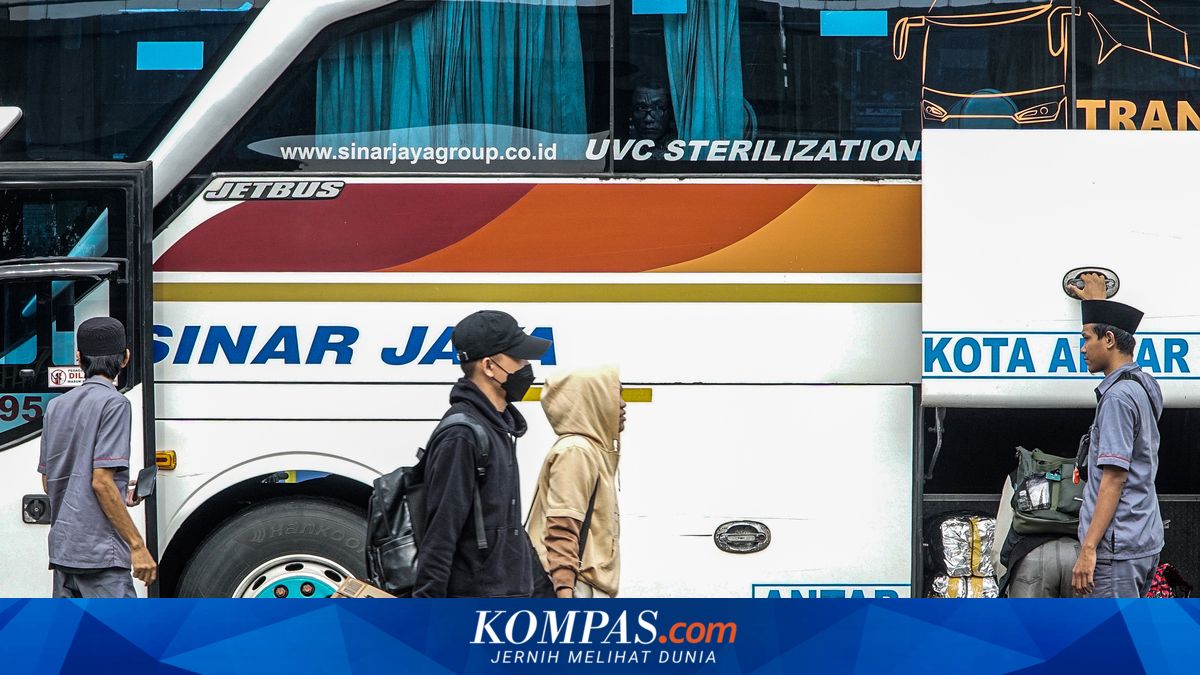
The Lebaran reverse flow not only returns residents to their routines but also brings a wave of new arrivals to Jakarta. They come with hopes of improving their lives, despite having only limited savings and family connections. Behind this urbanisation movement lies personal stories of courage in leaving their hometowns, facing uncertainties, and surviving in a city that never truly stops. Rian Maulana (24), a young man from Brebes, Central Java, arrived in Jakarta on H+4 Lebaran, 25 March 2026. He set foot in the Integrated Pulogebang Terminal after a long journey by overnight bus. “This is the first time I’ve gone far from my village. Honestly, I was a bit shocked when I got here,” said Rian. With Rp 1.2 million in provisions from leftover THR and savings, he arrived without job certainty. However, the notion that finding work in Jakarta is easy did not match reality. “I thought Jakarta made it easy to find work. It turns out it’s not that simple. There’s a lot of competition, and living costs are high,” he said. Rian only helps with light tasks, cutting materials and gluing shoes, without permanent worker status. For new arrivals, the biggest challenge is not just finding work, but surviving. Rian admits he must economise strictly, with daily food expenses around Rp 20,000 to Rp 30,000. He lives in a small rented room with his cousin, sharing the limited space. “At night it’s a bit cramped, but we appreciate it for now. The important thing is there’s a place to rest,” he said. Rian’s cousin, Muslim, although he has been migrating for five years, his economic condition is not yet fully stable because he relies on a contract system.