
Routine Dialysis Improves Quality of Life for Chronic Kidney Failure Patients
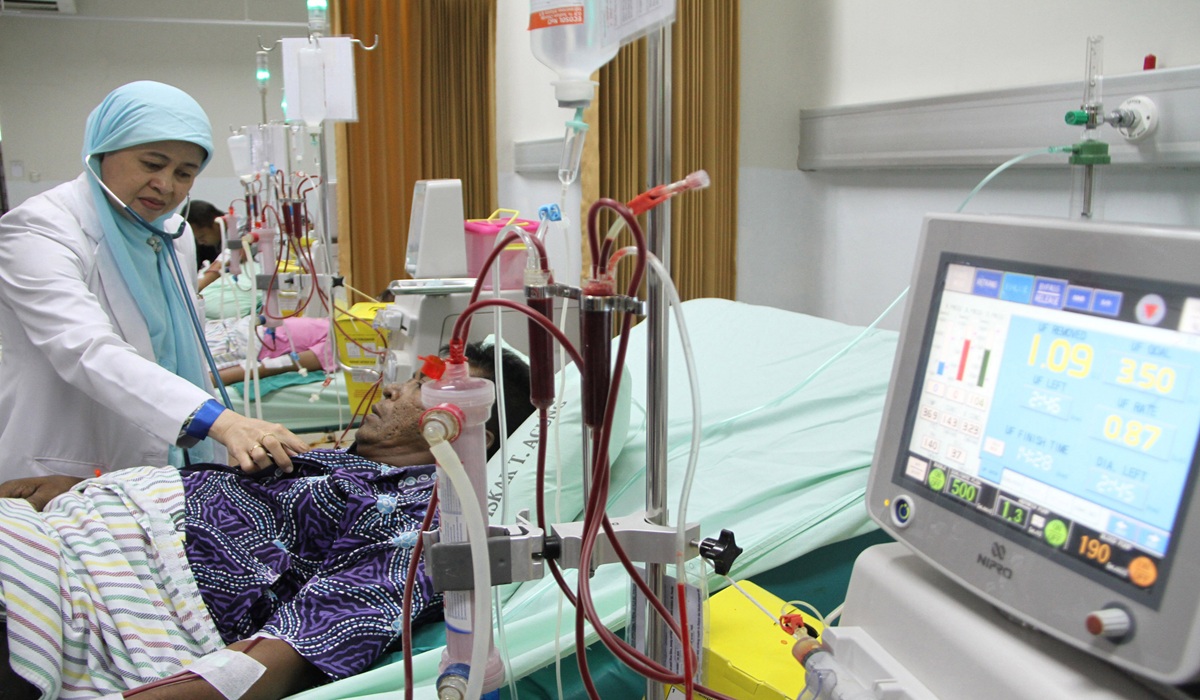
Haemodialysis therapy can improve the quality of life for patients with chronic kidney failure. The treatment functions to replace the kidneys’ role in removing toxins and metabolic waste that accumulate in the body.
Dr. Anindia Larasati, an internal medicine specialist at the University of Indonesia Hospital (RSUI), explained that chronic kidney disease is often dubbed the ‘silent killer’ because it frequently shows no symptoms until the condition is already severe. According to Anindia, haemodialysis is essential to reduce clinical symptoms that disturb patient comfort, such as fatigue, nausea, vomiting, and swelling in parts of the body.
‘For example, if a patient previously experienced complaints of getting tired easily, nausea, vomiting, and swelling (initially in the feet, then the abdomen, and eventually the whole body), it is hoped that after undergoing routine haemodialysis, these complaints will be reduced, their quality of life will improve, and future complications will also be reduced,’ Anindia stated in Jakarta on Monday (22/6).
Technically, haemodialysis is carried out by channelling the patient’s blood into a special machine. Inside the machine, the blood is filtered using a device called a dialyser to remove toxins. After the filtration process is complete, the clean blood is returned to the patient’s body. Anindia added that the duration or long-term need for this therapy depends heavily on the trigger of the patient’s kidney damage.
‘If the factors causing the decline in kidney function are long-standing processes such as hypertension, diabetes mellitus, or prolonged obesity, then the patient may require long-term haemodialysis,’ she said. Even though they undergo routine dialysis, chronic kidney failure patients are still required to have regular check-ups with a doctor and undergo several supporting therapies. Additionally, discipline in managing daily lifestyle habits plays a crucial role. ‘Don’t forget to limit fluid intake to prevent complications such as shortness of breath or swelling,’ Anindia added.
Besides haemodialysis using a machine, Anindia mentioned that there is another treatment method that can be an option for patients, namely Continuous Ambulatory Peritoneal Dialysis (CAPD) or peritoneal dialysis, which utilises the abdominal cavity (peritoneum). Apart from dialysis methods, another definitive treatment option is a kidney transplant from a donor.