
Rotten Cadre System and Poor Integrity Behind Regional Heads' Sting Operations
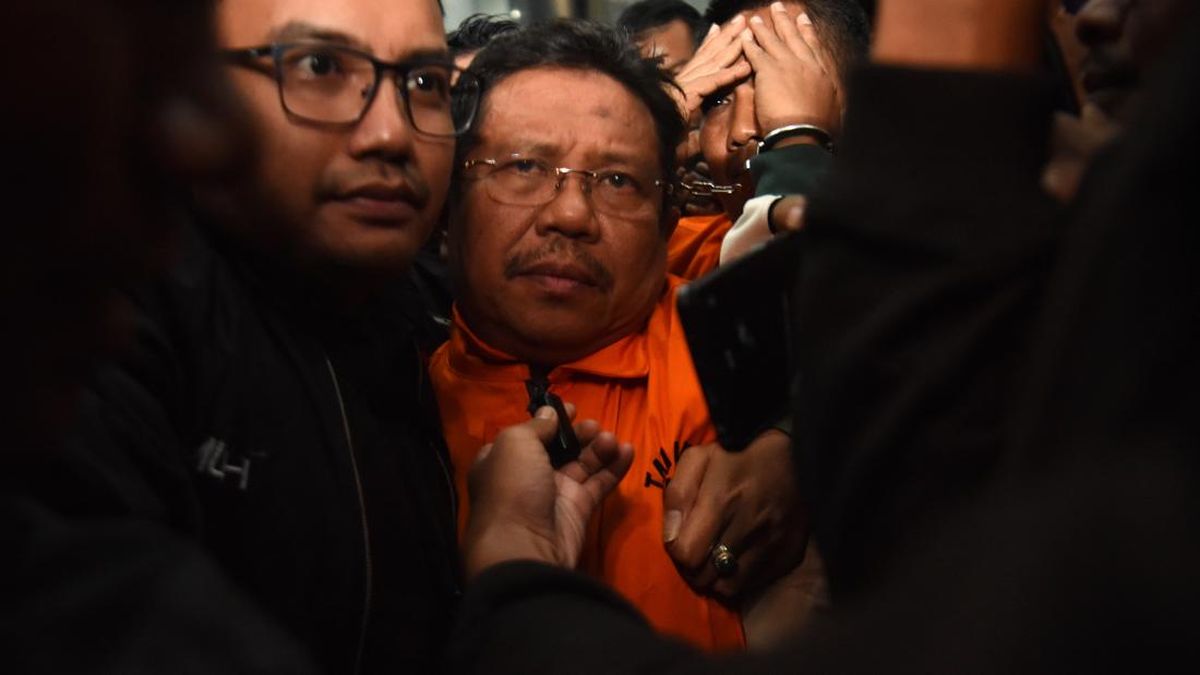
A number of experts have revealed that the alleged corruption cases of 11 regional heads uncovered by the Corruption Eradication Commission (KPK) through sting operations (OTT) this year reflect problematic political governance and the poor integrity of state officials. Haykal, a researcher at the Association for Elections and Democracy (Perludem), stated that the legal proceedings against regional heads for alleged corruption, ranging from extortion and bribery to gratuities, reflect two major issues. Firstly, the recruitment, cadre system, and candidacy processes within political parties remain problematic as they fail to produce public officials with integrity and a sound political culture, leading to corrupt acts. Political parties often take shortcuts by selecting well-known candidates with the potential to garner many votes, despite their questionable competence. Secondly, Haykal highlighted the persistently high political costs and the lack of transparency and accountability surrounding them. He noted that these two factors are clearly reflected in the 11 regional heads caught by the KPK’s sting operations. Haykal hopes for systemic, rather than just short-term, improvements, stressing that reform must address not only electoral practices but also how political parties conduct political education, cadre development, and candidacy. He argued that a transparent and accountable electoral system is essential for clean, corruption-free governance, questioning why the high costs of campaigning contradict the official campaign finance reports submitted by parties and candidates. He urged legislators and the government to ensure that campaign finance reporting accurately reflects actual expenditures, necessitating a system that guarantees transparency and accountability to prevent corruption from the candidacy and campaign stages. Meanwhile, Mochamad Praswad Nugraha, Chair of the Southeast Asia Anti-Corruption Syndicate (SEA Actions), cautioned that the surge in OTTs against regional heads should not be used as a pretext to undermine democracy. He argued that corruption cases cannot legitimise the weakening of democratic systems, including changes to direct regional election mechanisms, citing Scandinavian countries as examples where healthy democracy and low corruption coexist. The former senior KPK investigator emphasised that the focus should be on improving political governance and strengthening the integrity of state officials, particularly by eradicating money politics, which he identified as the main driver of high political costs and subsequent corruption. He noted that the core issue is not the legitimate campaign expenditure but the illegal costs arising from money politics, which compel elected officials to recoup their outlays. Praswad added that reform is also needed in political funding and budgeting governance, as non-budgetary funding needs often lead to unaccountable fundraising and potential irregularities, making transparent and lawful political financing a crucial part of any corruption prevention strategy.