
Rosan Targets Five-Day Processing for Foreign Worker Permits Under New Integrated System
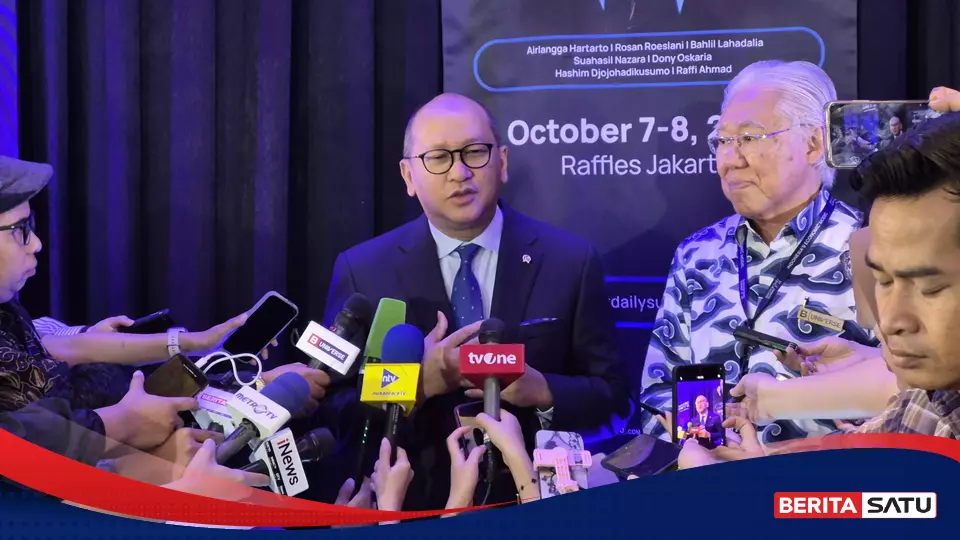
Jakarta, Beritasatu.com — Investment and Downstreaming Minister and Investment Coordinating Board (BKPM) head Rosan Roeslani is preparing to integrate foreign worker (TKA) permits through the Investment Ministry. The government aims to complete the licensing process within a maximum of five working days.
The policy is part of bureaucratic reform and licensing simplification intended to give businesses certainty when they need foreign workers for investment activities.
Rosan said an agreement to integrate the permits had been reached with the Manpower Ministry and the Ministry of Immigration and Corrections.
“A few days ago, we reached an agreement with the Manpower Ministry and the Ministry of Immigration and Corrections that ITAS, or permits for foreign nationals to work, will also be issued by the Investment Ministry,” Rosan said at the Investor Daily Summit (IDS) 2026 in Jakarta on Wednesday (7 October 2026).
He said the government and the relevant parties had agreed on a five-day processing target. The licensing system is currently being aligned.
“So permits for foreign workers will also be issued by the Investment Ministry, and this will take effect,” he said.
Integrating foreign worker permits is part of the government’s effort to simplify investment-related administrative processes. A more integrated licensing procedure is expected to give businesses greater certainty over the time needed to meet their workforce requirements.
Rosan said the government had also integrated the Online Single Submission (OSS) system with licensing systems at 18 ministries and agencies under Government Regulation No. 28.
The integration is accompanied by deadlines for processing permits under service-level agreements (SLAs). If a ministry or agency does not respond within the specified time, a permit may be issued through the positive fictitious approval mechanism, in accordance with applicable regulations.
Rosan said the system needed improvement because lengthy licensing processes could hamper business activity.
“We hope this will provide clarity, credibility and certainty,” he said.
The government is also expanding OSS capacity, as linking it with various ministry and agency systems increases the data-processing load.
Rosan said the system is being developed using artificial intelligence (AI) and blockchain technology to support data synchronisation.
Through these reforms, the government aims to create a faster and more measurable licensing process, including for documents related to foreign workers.
However, the five-day target is a service commitment announced by Rosan; operational implementation is still awaiting system alignment.