
Rosan Stresses Quality Investment Through Technology Transfer
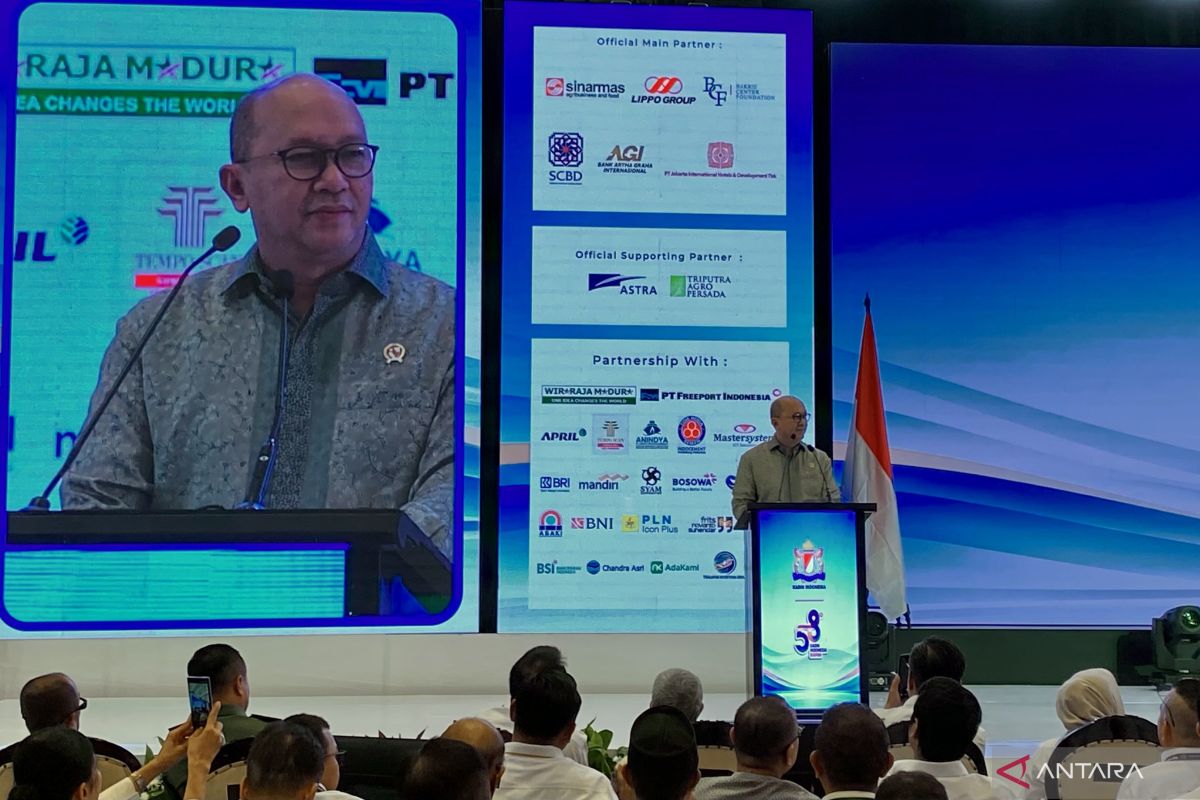
Jakarta (ANTARA) – Investment and Downstreaming Minister and Investment Coordinating Board (BKPM) Head Rosan Roeslani, who is also Danantara’s chief executive, stressed the importance of quality investment that can strengthen human-resource capacity, promote technology transfer and create quality jobs.
Speaking in Jakarta on Thursday, Rosan cited Ministry of Investment and Downstreaming/BKPM data showing that investment realisation from the fourth quarter of 2024 to the third quarter of 2026 reached Rp3,923.2 trillion, or 30.1 per cent of the Rp13,032.8 trillion target through 2029.
The total comprised Rp1,998.7 trillion in domestic investment and Rp1,924.5 trillion in foreign investment, calculated using the state budget exchange-rate assumption of Rp16,500 to the US dollar. The investment generated employment for 5.48 million people.
“But we certainly hope that the investment coming in will be quality investment. We see quality investment as investment that can improve our human resources, bring knowledge and technology transfer, and, of course, create quality jobs,” Rosan said at the 2026 Kadin National Leadership Meeting.
Rosan cited nickel downstreaming as an example of efforts to increase commodity value by developing domestic processing industries.
He said Indonesia holds around 46 per cent of the world’s nickel reserves. Before the downstreaming policy was introduced, Indonesia’s nickel exports were worth about US$3.3 billion.
After processing industries were developed, exports of nickel and its derivative products rose to US$30 billion in 2025.
“In 2025, exports of nickel and its derivatives had reached US$30 billion,” Rosan said.
He said the result demonstrated the potential of processing natural resources domestically to generate greater added value than exporting raw materials alone.
Rosan stressed that the benefits of investment should also be measured by its impact on workers’ skills and technological expertise, enabling national industries to develop and become more competitive.
He also highlighted the role of the Indonesian Chamber of Commerce and Industry (Kadin) in helping micro, small and medium-sized enterprises (MSMEs) move up the value chain through support and partnerships with larger companies.
He said he hoped the number of MSMEs in Indonesia would decline as more businesses expanded into medium-sized and large enterprises.